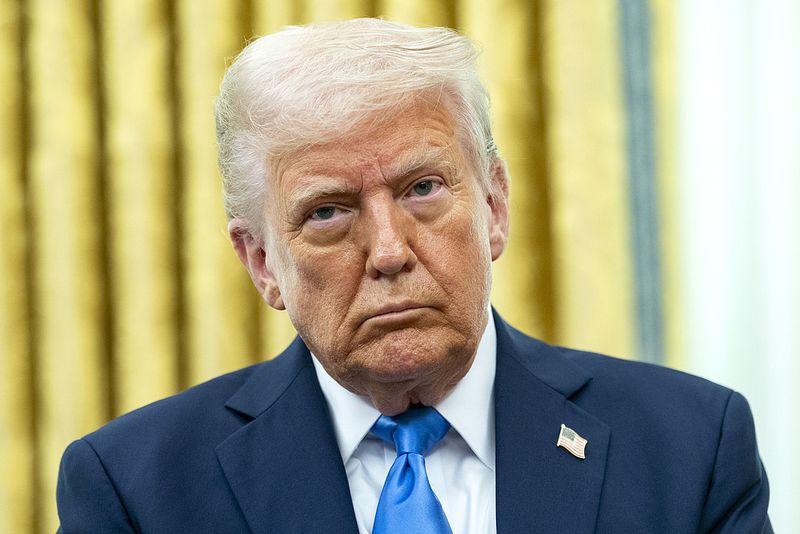
Trump Reaffirms Stance on Manufacturing Return, Focuses on Chip Supply Chain
On August 6, U.S. President Trump reiterated his position regarding trade policies in key economic sectors, proposing nearly 100% tariffs on all imported chips and semiconductor products. This stance indicates a more assertive approach toward global technology supply chain issues, particularly as semiconductors are seen as core national security assets.
Trump emphasized that if these products are manufactured domestically, no fees will be imposed. He stated that this move aims to "reshape the industrial foundation," with the goal of reducing dependence on overseas manufacturing while promoting domestic high-tech production capacity.
What Does a 100% Tariff Mean?
If Trump's plan is implemented, the cost of importing chips and semiconductors into the U.S. will surge significantly, with the tariff burden being borne either by overseas manufacturers or downstream U.S. firms, potentially triggering major ripple effects throughout the tech industry.
Analysts point out that this policy will not only affect the exports of major Asian chip manufacturing countries, including South Korea, Taiwan, and mainland China, but will also exert pressure on domestic U.S. small and medium-sized tech companies reliant on imports, possibly leading to short-term IT product price hikes, which may then impact the consumer market.
Underlying Motives: Election, Protectionism, and De-risking Strategy
Some believe this statement is partly influenced by electoral strategy. Trump's consistent emphasis on economic nationalism and his "America First" manufacturing philosophy have a foundation among blue-collar and industrial groups. With the election approaching, demonstrating a tough trade stance to win support from industry and middle-class voters might be a key objective.
Meanwhile, the policy resonates with the U.S. government's recent push for a "de-risking" and supply chain diversification strategy. Washington has long been concerned about high foreign dependence in the advanced chip sector, which could impact national security amid geopolitical tensions.
Industry Reaction and Potential Impact
Despite the lack of detailed implementation specifics, the tech industry has already expressed concerns. The Semiconductor Industry Association (SIA) has previously stated that high tariffs could undermine global cooperation, hindering the efficiency of chip design, manufacturing, and distribution.
Additionally, there is ongoing attention to the costs of supply chain restructuring. Chip manufacturing typically requires years of planning and massive investment, and building a complete domestic supply chain is not a quick endeavor. Sudden tariffs could lead to mismatches in supply and demand, increasing global inflationary pressures.
Policy Path Remains Uncertain
Currently, Trump has not announced a timeline for execution, nor has he specified whether the tariff adjustments will be pushed directly through an executive order or if congressional approval will be needed. The White House has yet to respond.
Investors and industry observers will closely track further developments, including whether related executive orders will be issued, which chip categories will be listed for tariffs, and whether certain strategic partner countries will be exempt.