
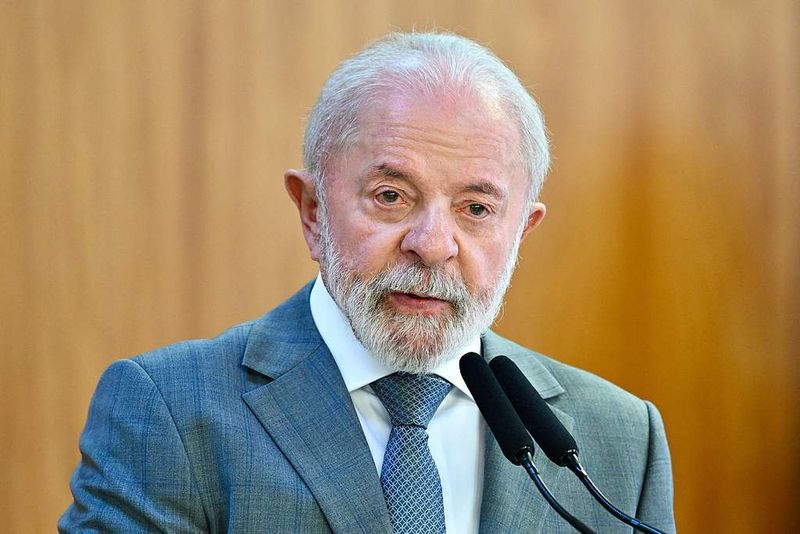
Lula Declares: No Retaliatory Measures Against the U.S.
After U.S. President Trump signed an executive order imposing ad valorem tariffs of up to 50% on certain Brazilian goods, there was widespread concern that Latin America's largest economy might adopt a hardline countermeasure. However, on August 6, Brazilian President Lula announced that the country would not impose retaliatory tariffs on U.S. goods and would prioritize maintaining communication channels with Washington.
Lula stated in a local media interview: "We have not closed the door to constructive dialogue with the U.S. government. Although we have not had direct communication with President Trump, our team remains in contact with members of the U.S. Cabinet."
This statement injected a degree of stability into the market, demonstrating that the Lula administration prefers pragmatic diplomatic methods when facing international tensions.
U.S. Tariff Policy Impacts Brazilian Exports, Some Exemptions Made
According to the executive order signed by the Trump administration on July 30, starting August 6, the U.S. would impose an additional 40% ad valorem tariff on most imports from Brazil, bringing the final rate to 50%. Despite this, the policy provides exceptions for certain key exports, including aerospace equipment, nuts, orange juice, and specific metal raw materials.
These exemptions indicate the U.S.'s ongoing reliance on certain strategic commodities, but the new policy still poses significant pressure on Brazil's overall export industry, particularly for agricultural products and primary industrial goods exporters, who may face sudden drops in price competitiveness and risk of order transfers.
Brazil's Strategy: Maintaining Stable Relations, Avoiding Trade Escalation
Analysts point out that the Lula government's decision not to take retaliatory measures is likely aimed at maintaining long-term trade stability. On one hand, the U.S. is Brazil's third-largest export market, and any high tariffs imposed could disrupt related supply chains. On the other hand, retaliatory actions could further exacerbate bilateral tensions, affecting future trade and diplomatic opportunities.
It's noteworthy that Lula also mentioned the possibility of expressing concerns or grievances through multilateral mechanisms such as the World Trade Organization (WTO) in the future. As a longstanding advocate for free trade systems, Brazil may choose more institutionalized ways to address disputes.
Why Are U.S.-Brazil Economic and Trade Relations Tense Again?
The current tariff measures are widely interpreted as part of the Trump administration's "reindustrialization" strategy, aimed at forcing industries to return to the U.S. through tariff barriers. This move also adds to the political maneuvering before the elections, reinforcing its "America First" image.
For Brazil, this is not the first time it has been targeted by U.S. tariff policy. Historically, there have been multiple frictions between the two countries involving steel, aluminum, and agricultural products. This is the first time since Trump's return to the White House that Brazil has been directly targeted, drawing widespread attention.
Space for Dialogue Remains, Focus on Follow-up Negotiations
Although the possibility of escalation has been temporarily suppressed, U.S.-Brazil relations remain in a critical observation phase. In the coming weeks, Brazil's foreign and trade departments may attempt to hold talks with U.S. counterparts to seek the re-establishment of some tariff negotiation mechanisms without escalating the conflict.
Against the backdrop of persistent global trade protectionism, whether Brazil can maintain trade ties with the U.S. without compromising national interests will be a real test of Lula's diplomatic acumen.

