

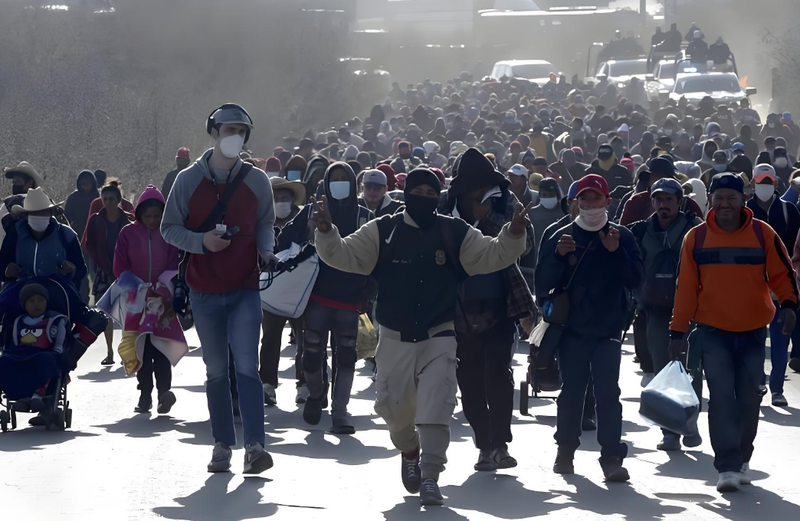
Nationwide Protests Intensify as Government Shutdown Fuels Public Outrage
The U.S. federal government shutdown crisis continues to escalate. On the 18th, the largest protest in recent years erupted nationwide. As the government deadlock enters its third week, millions have taken to the streets demanding that Congress promptly restore funding and restart public services. Protesters have spread across all 50 states, in over 2,600 cities and communities, with marches extending from Washington to Los Angeles, Chicago, and New York, creating a wave of national political pressure.
According to several mainstream media outlets, this protest includes civil servant groups, ordinary families, students, and immigrant workers from various backgrounds. Demonstrators held signs reading "Reopen Government," "Restore Salaries," and "Get the Country Running," chanting, "Political infighting should not sacrifice people's lives," expressing their anger at the government's dysfunction.
Public Service Disruption and Rising Living Costs Lead to Dissatisfaction
The shutdown has severely affected the daily lives of ordinary citizens. Several federal departments, including national parks, visa services, research projects, and some healthcare services, remain closed. Around 800,000 federal employees are forced to take unpaid leave, and some low-income families face hardships due to delays in welfare applications.
In Washington, representatives of federal employees launched a rally, protesting their "being forced to bear the cost of political battles." Employees from education, environmental, and transportation departments have also joined the demonstrations. A public health worker in Chicago stated, "The government shutdown means we can't distribute medicines or help vulnerable groups, which is irresponsible towards the taxpayers."
Meanwhile, the rising cost of living, increased mortgage pressures, and delayed social security payments have further fueled public sentiment. Some protesters pointed out that the current political impasse directly affects national credit and economic confidence.
Partisan Deadlock Difficult to Resolve, Congressional Negotiations at a Standstill
The government shutdown stemmed from long-standing differences between the two parties in Congress over budget appropriations and immigration policies. The Republicans insist on cutting expenses and strengthening border security funding, while the Democrats demand increased budgets for education and social security. Despite the White House's repeated calls for "bipartisan cooperation," there is no substantial progress in reaching a fiscal compromise.
U.S. media have cited informed sources who say that the House and Senate negotiation teams had planned to hold a new round of closed-door meetings this weekend, but progress has been slow. Analysts suggest that if the shutdown continues until the end of the month, the U.S. economy could face greater impacts, with both consumer confidence and credit ratings at risk of declining.
Public Opinion Escalates, Increasing Pressure on Government
The protest wave has quickly become a national focus. Several governors and mayors have publicly urged Congress to reach a budget agreement as soon as possible. New York's governor stated at a press conference, "We cannot let politics be the reason for national stagnation. Every day of delay is a setback in people's lives."
Meanwhile, civil groups and labor unions are also calling for a legal resolution to the fiscal deadlock to prevent protests from escalating into broader social unrest. Multiple think tanks have warned that if the government shutdown lasts more than a month, the U.S. economic growth rate may drop by 0.5 percentage points for the quarter.
Conclusion
Currently, the U.S. government shutdown is no longer merely a fiscal issue but has evolved into a nationwide crisis affecting social trust and political stability. The expanding protest voices reflect public dissatisfaction with the deadlock and fatigue with political division. As time goes on, if Congress cannot quickly break the impasse, the government's crisis of trust may deepen further, severely damaging the credibility of American institutions and its international image.

