

Japan Plans to Increase Visa Costs to Reflect Economic and Administrative Realities
The Japanese government is considering raising visa application fees starting from the fiscal year 2026, bringing them roughly in line with those of European and American countries. This move reflects Japan’s policy adjustments in response to the surge in inbound numbers and inflationary pressures. According to sources from the Ministry of Foreign Affairs, discussions about this plan are underway internally, and it is expected to be formally submitted to the Cabinet for review in the coming months.
As the number of foreign tourists visiting Japan continues to grow, the visa system is facing unprecedented administrative pressure. According to data from the Japan National Tourism Organization (JNTO), more than 26 million visitors traveled to Japan in the first eight months of 2025, representing nearly a 15% increase compared to the same period before the pandemic. The government believes current visa fees are too low to cover processing costs and do not reflect the current price levels.
Fee Adjustment Mechanism to Prevent Application Abuse
In addition to increasing fees, the Japanese government plans to change the timing of payment. Under the current system, applicants pay only when the visa is approved and issued. The new proposal suggests a "pay upon application" approach, aligning with developed countries like the United States and the United Kingdom. This measure aims to curb behavior where tourists apply without genuine intent to visit, reducing resources occupied by administrative departments during the review process.
A government official involved in policy making stated: "In recent years, visa applications have surged, but some applicants have no real travel plans, causing system congestion and administrative burdens. Charging at the time of application not only improves efficiency but also ensures resources are allocated to travelers with legitimate needs."
The Ministry of Foreign Affairs plans to introduce a tiered fee system, setting different standards for various types of visas (short-term tourism, business, study, etc.). Initial discussions suggest increasing short-term visa fees by approximately 30% to 50%, while long-term visas might incur higher charges based on the duration of stay and purpose.
Balancing Tourism Economy and Social Pressure
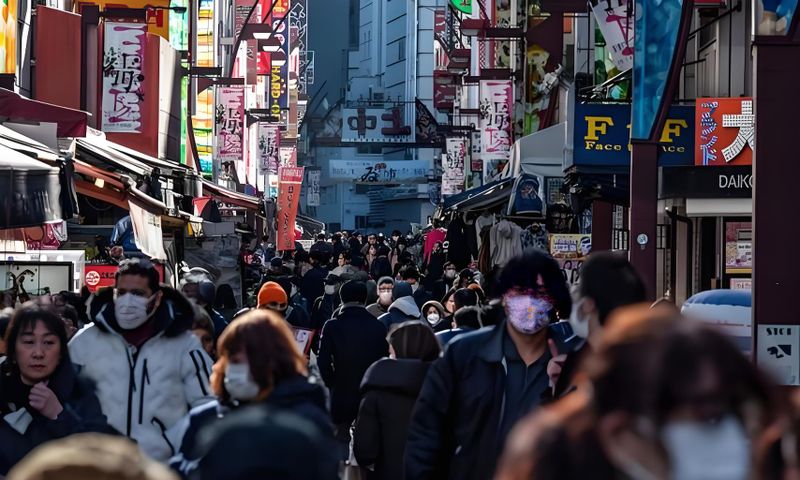
This move by the Japanese government is also closely related to the issue of "overtourism." In recent years, popular destinations like Kyoto, Nara, and the Mount Fuji area have experienced traffic congestion, environmental damage, and resident dissatisfaction due to too many tourists. Raising visa costs is seen as one way to "indirectly regulate inbound flow."
An official from the Japan Tourism Agency pointed out: "We welcome tourists, but we also need to strike a balance between economic benefits and social carrying capacity. Moderately increasing visa fees can help screen for tourists with better spending power and longer stays."
However, the tourism industry remains cautious about the policy. The Japan Association of Travel Agents (JATA) is concerned that rising visa costs may deter tourists from some Asian countries, particularly from emerging markets in Southeast Asia. The association urges the government to consider fairness and openness when finalizing the plan.
International Comparison and Future Prospects
Currently, Japan’s visa fees are generally lower than those of European and American countries. For short-term visas, Japan’s average fee is about 3,000 yen (approximately 20 USD), while similar visas cost 185 USD in the USA and 135 GBP in the UK. Industry insiders believe that even after the increase, Japan’s visas will remain competitive, particularly for high-end tourists.
Moreover, the Japanese government plans to optimize the visa system, expand e-Visa coverage, and reduce paper-based processes. The Ministry of Foreign Affairs aims to achieve 80% digital visa approvals by 2027 to reduce administrative costs and enhance international convenience.
Conclusion
As Japan reclaims its status as a major global tourist destination, modernizing its visa system and adjusting costs becomes a policy necessity. Raising fees is not only a fiscal balancing measure but also reflects Japan’s reassessment of management efficiency, social capacity, and tourism sustainability. In the coming months, the government will finalize its plan based on public opinion and industry feedback, with this "visa reform" potentially marking a significant turning point in Japan's entry management policy.

