
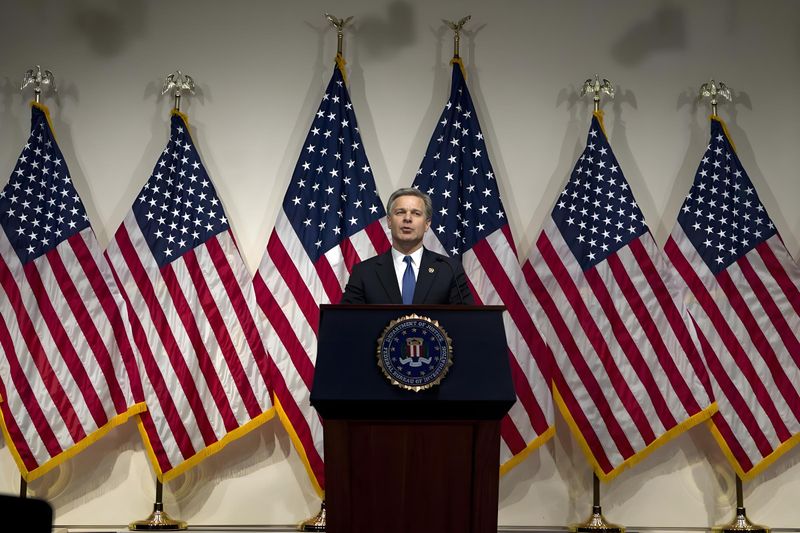
Investigation Escalates: Department of Justice Takes Action
The U.S. Department of Justice has officially launched a criminal investigation into Federal Reserve Governor Cook, accusing her of making false declarations about property use in her mortgage application to secure lower interest rates. It is reported that the Department has issued subpoenas to relevant institutions, requesting documents and witness statements to determine if fraud occurred.
This move comes simultaneously with Cook's lawsuit against President Trump's dismissal order, complicating the case's dynamics. The investigation's outcome not only affects Cook's personal reputation but also potentially impacts the foundational principle of the Federal Reserve's independence.
Background on Trump's Dismissal
Last month, Trump announced the removal of Cook from her position, citing her listing two properties as "primary residences" in bank documents as the reason. The allegation was initially raised by Bill Pulte, Director of the Federal Housing Finance Agency and an ally of Trump. Trump claimed this constituted "just cause" for dismissal.
Cook vehemently denies the accusation, stressing that she will not succumb to political pressure. She has expressed willingness to publicly explain all financial details and remains committed to fulfilling her duties as a Fed governor.
Legal Battle and Constitutional Controversy
Cook has filed a lawsuit in federal court, asserting that Trump's decision violates the constitutional safeguard of the central bank's independence. Her legal team argues that a president can only dismiss a governor for "clear just cause," and the current charge lacks sufficient evidence, possibly stemming from a common clerical error.
The case is currently being overseen by U.S. District Judge Jia Cobb, with legal experts anticipating it might ultimately reach the Supreme Court due to its significant implications. This will be crucial in defining the boundaries of presidential power and the independence of the central bank going forward.
Dual Political and Financial Strategies
Since entering his second term, Trump's relationship with the Federal Reserve has been tense. He has repeatedly pressed for rate cuts and threatened to dismiss Federal Reserve Chairman Powell, citing issues like inflation control and infrastructure spending overruns. Although not executed, his interventionist stance has raised widespread market concerns.
The investigation into Cook amplifies criticism of the Trump administration's alleged use of legal means to target political adversaries. Some experts highlight a pattern of mortgage investigations targeting Democratic-affiliated officials by the Justice Department, reflecting a perceived politicization.
Market and Expert Reactions
Financial markets are closely monitoring this development. Analysts worry that if the Federal Reserve's independence is compromised, investor confidence in U.S. economic policy might wane, potentially increasing treasury yields and corporate borrowing costs.
Political analysts contend that this is not solely a legal battle but also a struggle for political power. Central bank independence has long been a cornerstone of the U.S. financial system, and if presidents can arbitrarily replace governors, the stability of monetary policy could be severely undermined.
Conclusion
The Cook case has transcended individual dimensions, evolving into an institutional confrontation between the White House and the Federal Reserve. The Department of Justice's involvement further complicates the situation, raising questions about the future independence of the U.S. central bank. As court proceedings advance, this political and financial storm will continue to evolve, with its outcomes likely having profound impacts on the global financial order.

