
European Gas and Carbon Prices Aligning Once More – Commerzbank
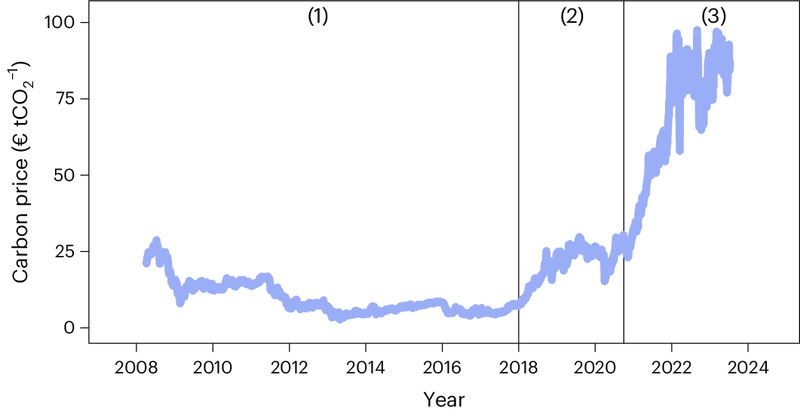
European gas and carbon prices are once again showing signs of alignment, a trend that analysts at Commerzbank have observed with growing interest. This renewed convergence is indicative of the shifting dynamics within the European energy market, where the interplay between regulatory frameworks, supply challenges, and decarbonization efforts is becoming increasingly pronounced.
Traditionally, European gas and carbon prices have been interconnected, influenced by similar economic and regulatory factors. However, this relationship has experienced periods of divergence due to varying influences such as geopolitical tensions, energy supply disruptions, and fluctuations in demand. Recently, Commerzbank has noted a realignment, where movements in gas prices are increasingly mirrored by changes in carbon prices.
This realignment is significant as it underscores the growing impact of environmental policies and carbon pricing mechanisms on the broader energy market. The European Union's Emissions Trading System (ETS), a cornerstone of the region's climate policy, plays a critical role in this process by setting a price on carbon emissions, thereby influencing the cost of carbon-intensive energy sources like natural gas.
Several key factors are contributing to the closer alignment of gas and carbon prices:
Energy Supply Constraints: Europe’s ongoing struggles with energy supply, particularly in the wake of geopolitical tensions and reduced gas flows from key suppliers, have led to a spike in natural gas prices. These higher prices, in turn, affect the cost of electricity generation, especially when gas is used as a fuel. As electricity producers face higher input costs, the demand for carbon allowances increases, driving up carbon prices.
Regulatory Pressures: The European Union’s aggressive push towards decarbonization has led to tighter regulations on carbon emissions, significantly impacting the energy market. With the introduction of stricter emission targets under the EU’s Green Deal and the Fit for 55 initiatives, companies are increasingly required to purchase more carbon allowances, which raises their operating costs and leads to a higher carbon price.
Fuel Switching: As gas prices rise, energy producers may turn to alternative fuels like coal, which are more carbon-intensive. This shift drives up demand for carbon allowances, contributing to the alignment of gas and carbon prices. The interdependence of fuel costs and carbon pricing highlights the complexity of energy production choices in a carbon-constrained world.
The alignment of gas and carbon prices has profound implications for the European energy market. For energy companies, this trend suggests that navigating the market will require a deeper understanding of both gas and carbon pricing dynamics. Companies that rely heavily on natural gas could face rising costs, not only from the fuel itself but also from the increasing price of carbon allowances required to offset emissions.
For policymakers, the convergence of these prices highlights the effectiveness of the EU’s emissions trading system in influencing market behavior. As carbon prices rise in tandem with gas prices, it reflects the market's response to the dual pressures of regulatory compliance and fuel costs, driving investment towards cleaner, less carbon-intensive energy sources.
For investors, this trend signals the need to closely monitor the relationship between gas and carbon prices when assessing the energy sector. As the energy market becomes more integrated with environmental policies, investment strategies will need to account for the potential risks and opportunities that arise from this convergence.
As Europe continues to advance its decarbonization goals, the relationship between gas and carbon prices is likely to remain closely linked. The ongoing transition to a low-carbon economy, coupled with the pressures of ensuring energy security, will keep these two markets intertwined.
In the future, we can expect this alignment to become a critical factor in the pricing strategies of energy companies, the regulatory decisions of policymakers, and the investment choices of market participants. As the energy landscape evolves, understanding the dynamics between gas and carbon prices will be essential for navigating the complexities of the European energy market.
In conclusion, the alignment of European gas and carbon prices, as observed by Commerzbank, is a reflection of the broader changes taking place in the energy market. As these prices move closer together, they underscore the growing influence of regulatory and environmental factors on market behavior, shaping the future of energy in Europe.