
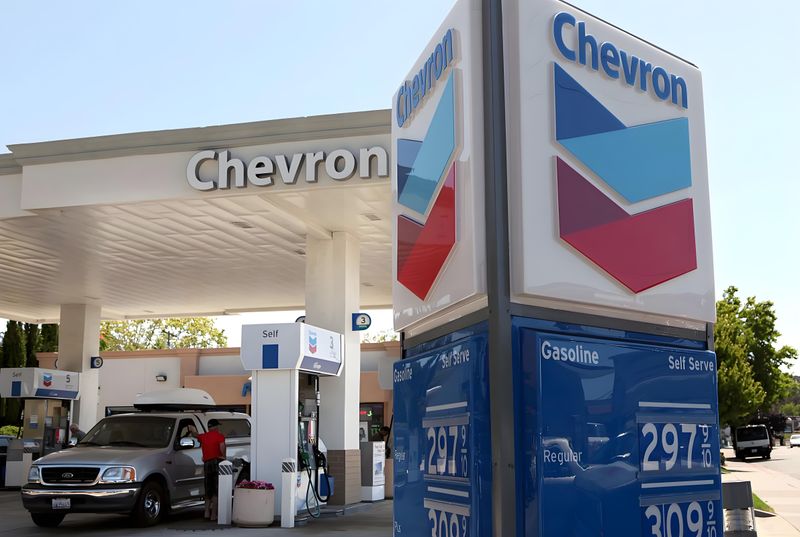
Chevron Granted Permission to Restart, Venezuela Shows Positive Attitude
Following the official approval by the U.S. for Chevron to resume its oil operations in Venezuela, President Maduro expressed his welcome on national television, calling the move a “constructive signal.” This development is seen as a rare conciliatory gesture between the U.S. and Venezuela under long-standing sanctions, also indicating potential cooperation in the energy sector.
First Step Towards Oil Cooperation
The license for Chevron to restart operations was granted by the U.S. Treasury Department, marking the return of this American energy giant to full operations in Venezuela after several years. Before the sanctions, Chevron was one of the most important foreign partners of Venezuela’s state oil company (PDVSA).
According to Venezuela's Ministry of Energy, Chevron has communicated the new license details through Oil Minister Delcy Rodriguez and is closely working with the Venezuelan government to assess the specific steps for resuming operations. This shows that both parties have maintained relatively smooth communication channels in practical cooperation.
Venezuela's Production Capacity Partially Recovered
Although Chevron had previously suspended its operations in Venezuela, Maduro pointed out that the country’s oil sector did not come to a standstill during this period. Data shows that Venezuela's oil economic growth in the second quarter of this year reached 12%, partially due to the country's capacity management reforms and reflecting opportunities to resume exports as the international energy market recovers.
Maduro emphasized that Venezuela not only welcomes Chevron's return but also opens cooperation opportunities to global oil and gas investors. In his speech, he frequently mentioned “multilateral cooperation,” “technology sharing,” and “energy security,” attempting to signal a broader invitation for investment.
Reconstructing Relations Under Sanction Shadows?
U.S.-Venezuela relations have long been constrained by political and economic sanctions, but Chevron’s operational license is seen as a "testing interaction." Although the White House has not yet signaled further easing of sanctions, industry analysts believe this move reflects the U.S.'s flexible strategy amid changing global energy patterns.
Currently, the global oil and gas supply chain faces pressures from geopolitical and capacity distribution issues. Renewing energy cooperation with Venezuela not only aids U.S. energy security but also provides fiscal relief for the Venezuelan government.
Can Cooperation Be Sustained?
Does the revival of energy cooperation signal a full improvement in U.S.-Venezuela relations? Experts have mixed views. On one hand, Chevron's actions must adhere to stringent legal and diplomatic frameworks, with any further development requiring more goodwill from the U.S.; on the other, the Venezuelan government needs to show sincerity in transparency and international commitments to attract broader Western capital.
Chevron has not yet announced specific production targets or investment amounts, but Venezuelan officials stated that the short-term goal is to fully restore existing joint ventures. If progress proceeds smoothly, it could open the door for Venezuela to reintegrate into the global energy market.
Energy as a Bridge, Diplomatic Prospects?
Despite significant differences in political ideologies, energy—the common ground—might become a “breakthrough point” for warming U.S.-Venezuela relations. Chevron’s project revival is seen as a sign of both sides taking a pragmatic approach to complex circumstances. For Venezuela, reestablishing energy discourse and attracting foreign capital are critical steps on the road to economic recovery.

