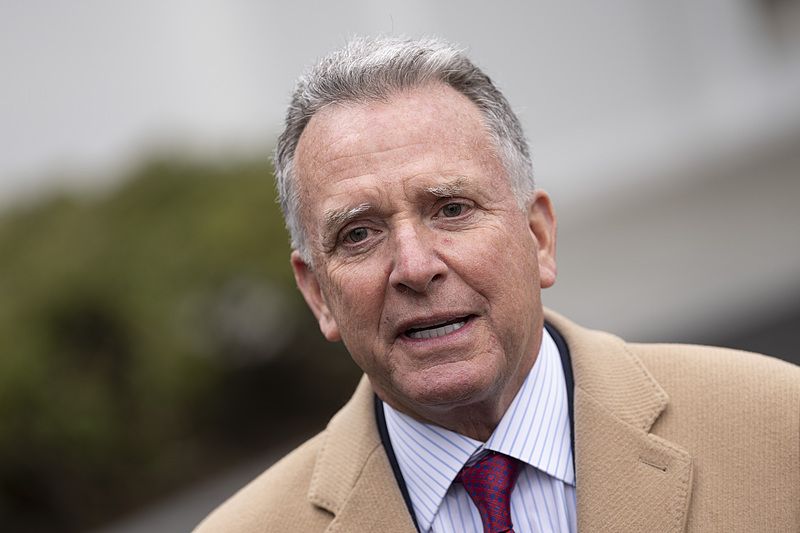
Special Envoy's Statement: Agreement Aims Surpass Mere Ceasefire
The U.S. Middle East Envoy, Witkoff, pointed out that the U.S. is no longer just pursuing a temporary ceasefire, but is focused on advancing a permanent peace framework. He emphasized that preliminary negotiations on related topics have been largely completed, with the focus now on constructing binding and enforceable terms of the agreement. This statement implies that the U.S. is attempting to use institutionalized guarantees to prevent repeated hostilities.
Security Guarantees: Bypassing NATO Formal Member Limitations
Russia has long refused Ukraine's NATO membership, but Putin's acceptance of a "quasi-NATO Article 5" is seen as a strategic compromise. The core of the so-called clause is that when Ukraine is attacked, the guarantor countries should treat it as a common security threat and take response measures. This alternative provides Ukraine with a psychological and political umbrella while bypassing the sensitive red line of NATO expansion.
Concessions in Five Regions Signal New Developments
According to Witkoff, Russia has shown flexibility regarding issues involving five key regions of Ukraine. Although specific plans have not been disclosed, this is seen as a potential opportunity to initiate phased negotiations. Analysts suggest these concessions may relate to regional governance models, humanitarian corridor setups, and troop deployments, offering operational room for future negotiations.
Trump's Role: From Ceasefire Promoter to Agreement Designer
After the meeting in Alaska, Trump shifted towards a grander peace concept, a strategy interpreted by outsiders as an attempt to enhance U.S. influence in European security affairs by leading the security framework. Through direct communication with Putin, Trump not only seeks to showcase diplomatic mediation results but also aims to shape lasting security influence for the U.S.
Europe's Power: Catalyst for Multilateral Mechanisms
With the European Union, NATO, and multiple national leaders announced to meet in Washington with the U.S. and Ukraine, Europe's role in this process has been significantly amplified. If European countries participate in implementing the security clauses, Ukraine's security guarantees will become more multilateral and stable. This also helps distribute potential military and financial responsibilities, easing the burden on a single country.
Negotiation Challenges: Implementation and Supervision are Key
Although the "quasi-NATO clause" is hailed as a breakthrough, its implementation still faces multiple challenges. First, how the clause's legal status and execution mechanisms are designed; second, whether the guaranteeing countries are willing to bear the risk of actual intervention during a crisis; finally, the establishment of a monitoring and arbitration system to ensure the commitments do not remain mere political statements. If a transparent and verifiable system cannot be formed, the guarantee may become symbolic.
Ukraine's Position and Future Direction
Zelensky is set to meet with Trump and is expected to propose clearer requirements for the specifics of the guarantee clauses. While seeking security protection, Ukraine also needs to balance domestic public opinion and political pressure in the context of wartime trauma. Diplomatic interactions in the coming days may determine whether the negotiations enter an institutional track or remain at the stage of political declarations.
Coexistence of Breakthroughs and Uncertainties
This meeting sent unprecedented signals: Russia's first acceptance of "quasi-NATO guarantees," the U.S. pushing for a permanent peace plan, and Europe preparing to intervene. However, whether these political statements can be transformed into a binding peace document still depends on multi-party compromises and willingness to execute. Markets and the international community will continue to follow the White House meeting on the 18th, which may become a true indicator of the peace process's direction.