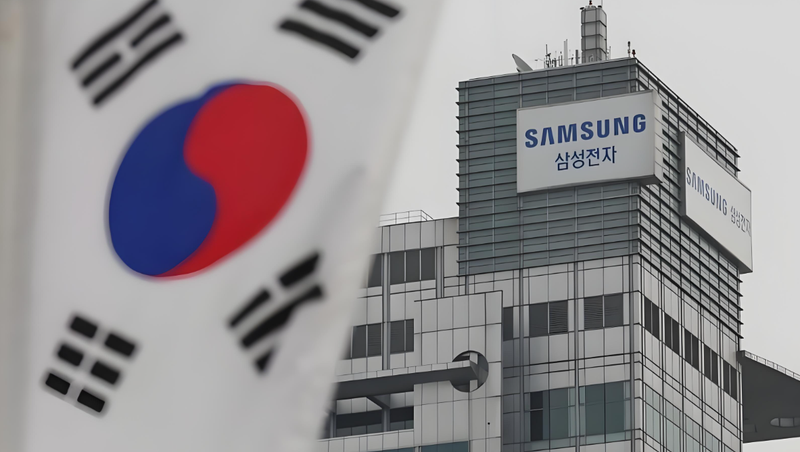
South Korean Export Companies Show Caution for the Second Half
Amid a global trade environment filled with uncertainties, South Korea's export-oriented companies are expressing noticeable caution regarding their business outlook for the latter half of the year. The latest survey reveals that about 40% of major exporting companies in South Korea expect a decline in export profits this year compared to the same period last year.
This survey was commissioned by the Korea Federation of Economic Organizations and conducted by Mono Research, targeting 150 leading export companies with annual exports exceeding 100 billion KRW. The results show that only 14% of companies believe export profits will increase in the second half, nearly half expect no significant change in performance, and 38.7% anticipate varying degrees of decline in export profits.
Noticeable Polarization in Industry Performance
In terms of export industry distribution, the survey results show a clear polarization in outlook for the second half across different industries:
- Pessimistic Industries: Traditional industries such as auto parts, vehicles, machinery, petrochemicals, and steel are conservative about future performance, fearing that tariffs and global competition will lead to rising costs and price pressures.
- Optimistic Industries: The semiconductor and shipbuilding sectors are relatively optimistic, benefiting from AI-driven demand growth for chips and a recovery in global shipping leading to a rebound in shipbuilding orders.
As a major global exporter of semiconductors and automobiles, the polarization in these industries will directly affect South Korea's overall export performance and economic resilience.
U.S. Tariff Policy Seen as Biggest Risk
Notably, U.S. trade policy is viewed by most surveyed companies as the primary risk factor for the second half of the year. Data shows that 53.3% of respondents indicate U.S. tariff increases and uncertain trade policies are the largest potential risk source for the coming months.
Furthermore, global economic slowdown and geopolitical tensions are respectively cited by 14% and 12.7% of respondents as potential risks. This reflects the complex situation Korean companies face in global markets as they must address both external economic and political risks simultaneously.
Cost Pressures and Price Competition Intensify Challenges for Korean Companies
Several South Korean export companies point out that the U.S. tariff hikes have significantly increased the costs of some products, and intensified global competition has placed pressure on export product prices. Additionally, fluctuations in raw material prices and rising logistics costs have further elevated operational costs, squeezing profit margins.
Against the backdrop of ongoing global supply chain adjustments, some South Korean companies are considering relocating portions of their production to other countries to avoid high tariff regions and maintain supply chain flexibility.
South Korea's Export Prospects Require a Diverse Strategy Response
While core sectors like semiconductors maintain growth momentum driven by the AI industry, continued U.S. tariff tightening could impact the price competitiveness and market share of traditional export sectors such as automobiles and machinery.
Industry analysts suggest that South Korean companies need to actively expand into diversified markets to reduce dependency on a single market. Additionally, accelerating green transition and digital upgrades can help increase the added value of export products and enhance resilience against global market volatility.
Facing Uncertainty, South Korean Companies Need to Balance Risks and Opportunities
In a complex global economic landscape with rising trade protectionism, South Korean export companies could face greater external pressure in the second half. The uncertainties of U.S. tariff policy and a global economic slowdown might be the main challenges impacting performance.
However, with the emergence of structural growth opportunities in industries like semiconductors, if South Korean export companies can proactively implement industrial upgrades and market diversification strategies, they still have a chance to seize new growth opportunities during the global supply chain realignment.