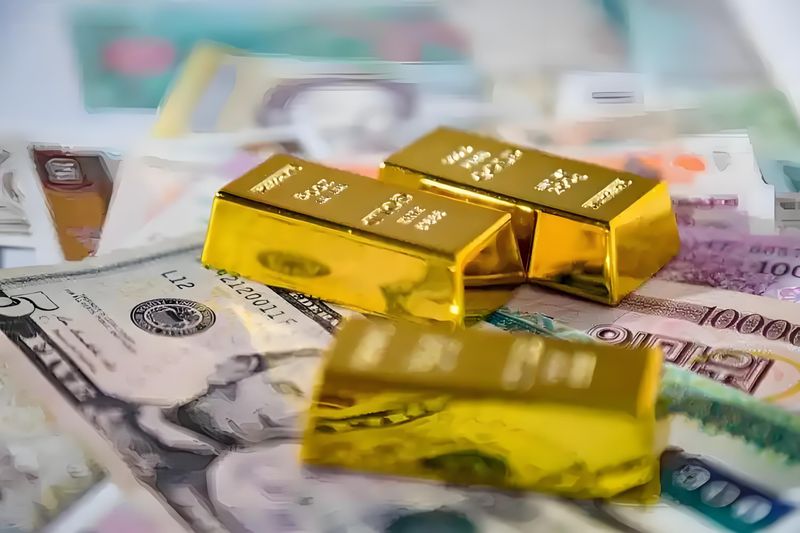
Gold Becomes the Focus Again as Investors Seek a Safe Haven
International spot gold rose sharply this week, breaking through $3,430 per ounce on Wednesday, reaching its highest level since mid-June. With escalating trade tensions, declining US bond yields, and a weaker dollar, market risk aversion has clearly intensified, making gold once again the preferred safe haven for capital.
Uncertain Trade Outlook Boosts Demand for Safe-Haven Assets
One of the key catalysts for the current rise in gold prices is the escalating trade frictions between major global economies. With just days remaining until the US deadline for high tariffs on goods from multiple countries, market concerns about the prospects of US-China and US-EU negotiations have intensified.
According to multiple reports, the US government is considering whether to extend the timeframe to reach an agreement with China, but unclear postures and tough rhetoric make the negotiation prospects more complicated. Not only US-China, but US-EU trade talks are also at a standstill, with the EU stating it will take countermeasures if faced with new tariffs.
In this context, market sentiments shift rapidly, and safe-haven funds flow into low-risk assets such as gold, bonds, and some commodities, with gold being especially favored for its no-default risk attribute.
Dollar Retreat Enhances Gold's Appeal
The dollar has shown signs of weakening recently, especially with exchange rate fluctuations against the yen and euro widening, further boosting gold prices. On July 22, the dollar index fell below 97.5, the lowest in two weeks, largely due to market unease over US trade policy outlook and brewing political risks.
A weaker dollar generally makes gold priced in dollars relatively cheaper on the international market, stimulating global buying demand. Meanwhile, the rise of major Asian currencies like the yen and the Korean won also pushes funds towards gold and other risk-resistant assets.
Falling Bond Yields Strengthen Interest-Free Assets
Apart from exchange rate factors, the continuous decline in US bond yields also provides strong support for gold prices. Specifically, both the 10-year and 2-year US bond yields have fallen, hitting two-week lows. This reflects market concerns about future economic growth and betting on the Fed's easing policy prospects.
As gold does not generate interest, its appeal is often heightened in low or negative yield environments. In the current environment, investors are more inclined to hold risk-hedging gold assets to hedge against market volatility.
Concerns Over the Fed's Policy Independence Stir Market Sentiments
Notably, concerns over the Fed's policy independence have resurfaced as US President Trump once again publicly criticized Fed Chair Powell, hinting that his term "isn't long." This has led the market to reevaluate the Fed's policy independence. Investors worry that the Fed may face more pressure from the administrative authority, increasing monetary policy uncertainty.
If the Fed becomes more "political" in the future, further rate cuts or policy shifts may be possible, which would provide long-term support for the gold market. Several investment banks have adjusted their forecasts, expecting several rate cuts within the year.
Technical Gold Price Trends Positive, Short-Term Target at $3,500
From a technical perspective, gold has successfully stood at the key support area of $3,400. Analysts generally believe that if this level holds, it will open up space to challenge $3,500. In terms of trading volume and market structure, bullish sentiment on gold remains strong, with the short-term trend maintaining an upward trajectory.
However, some view that if trade tensions ease or the dollar experiences a technical rebound, gold prices may face some pressure. Therefore, in the short term, investors should still focus on key points, including the August 1 US tariff implementation deadline, FOMC meeting results, and unexpected geopolitical news.
Conclusion: Seeking Certainty in an Uncertain World
The surge in gold prices is not only a response to short-term risks but also reflects a strong demand for "safe assets" in an increasingly complex international environment. The global trade gridlock, Fed policy variables, and dollar trends will continue to tug on gold's nerves in the coming weeks. For investors, gold remains an indispensable "stabilizing anchor" in turbulent times.