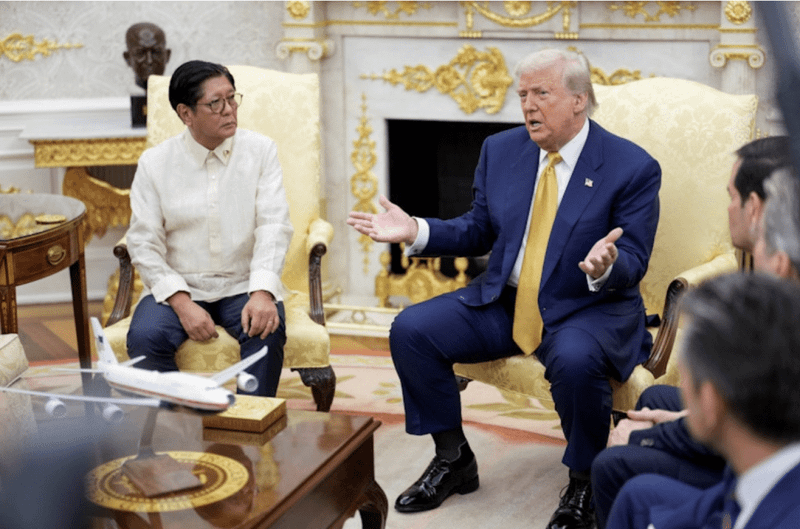
Shift in U.S. Trade Strategy: Trump Proposes New Agreements with Philippines and India
On July 23, 2025, U.S. President Trump publicly announced that the United States has reached bilateral trade agreements with the Philippines and Indonesia, setting a 19% import tariff and exempting U.S. exported goods from tariffs. This measure is viewed as the latest move in the U.S.'s tariff strategies, highlighting its continued focus on asymmetric trade issues.
Although details of the agreement are limited, current information suggests the negotiations were based on the principle of "tax on imports to the U.S., tax-free on U.S. exports," aiming to strengthen export advantages and curb import volumes.
Costs Borne by U.S. Companies Raise Concerns
According to Trump's statement on the Truth Social platform, goods from the Philippines and Indonesia will be subject to a 19% tariff, but this cost will be borne by American companies. Analysts point out that this arrangement might mean that increased import costs will be passed on to domestic businesses and consumers, especially in sectors like electronics, apparel, and agriculture that heavily rely on imports.
While such agreements might boost U.S. export competitiveness in the short term, without accompanying internal tax relief or subsidy measures, the cost pressures on small and medium enterprises may intensify.
Philippines Agreement Sparks Regional Comparisons
According to U.S. officials, the agreement with the Philippines is one of five bilateral agreements signed by the Trump administration in three months. Although it is touted as an "equal agreement," the specific terms remain officially undisclosed.
Compared to the 15% tariff previously set for Vietnam, the 19% tariff on the Philippines, which is 4% higher, has prompted regional observers to draw comparisons. Some voices suggest that the Philippines may have slipped in priority in the U.S. hierarchy, with a clear link between the strength of its negotiation strategies and the resulting tariffs.
Indonesia Agreement Details More Comprehensive
In contrast to the agreement with the Philippines, the trade arrangement with Indonesia by the Trump administration includes more structural reforms. Besides imposing a 19% tariff, Indonesia has agreed to remove several non-tariff barriers, such as the digital advertising tax, pre-shipment inspection regulations, and key mineral export restrictions.
These adjustments are seen as sending a positive signal for U.S. digital services and agricultural exports. For example, American farmers, who previously faced export bottlenecks due to Indonesia's stringent inspection procedures, now have these barriers removed, potentially providing new momentum to open new markets for U.S. agricultural products.
Additionally, Indonesia will adopt U.S. federal motor vehicle safety standards, which is expected to promote the penetration of U.S.-made vehicles in the Indonesian market.
Market Reaction Tepid, August a Critical Window
Although Trump has enthusiastically announced the "historic agreements," market reactions have been relatively subdued. Investors seem cautious about the actual implementation effects of these agreements, particularly given that similar agreements in the past have mostly lacked detailed disclosures.
Meanwhile, Trump reiterated the "August 1st tariff deadline" for countries without agreements, including imposing a unified tax rate of up to 50% on important commodities like copper. If fully implemented, these policies are bound to have widespread impacts on the global trade landscape.
Data Shows Trade Imbalance Still Exists
According to data from the U.S. Department of Commerce, the U.S. imported $14 billion from the Philippines and $28 billion from Indonesia in 2024, while exports to these countries amounted to $9 billion and $10 billion respectively, showing a clear trade deficit.
The Trump administration intends to narrow the trade deficit by increasing the cost of foreign goods, but whether it can truly alter the structural trade imbalance remains to be seen. Particularly under the U.S. policy focus on "quality over quantity," growing dissatisfaction with the tariff policy among trade partners may gradually build up.
Agreement Formation Awaits Details, Future Path Draws Attention
The recent announcement of new trade agreements with the Philippines and Indonesia by the Trump administration has not yet caused significant market reactions, but its long-term impact could be profound. The lack of policy transparency, rising corporate cost pressures, and the delicate evolution of bilateral political relationships will be key points to watch in the coming months.
Under the framework of "strong tariffs + duty-free U.S. exports," the U.S. is reshaping its bilateral trade agenda. As the August negotiation deadline approaches, the response strategies of countries without agreements and whether the agreements are truly implemented will be key indicators for the global market in assessing Trump's trade approach.