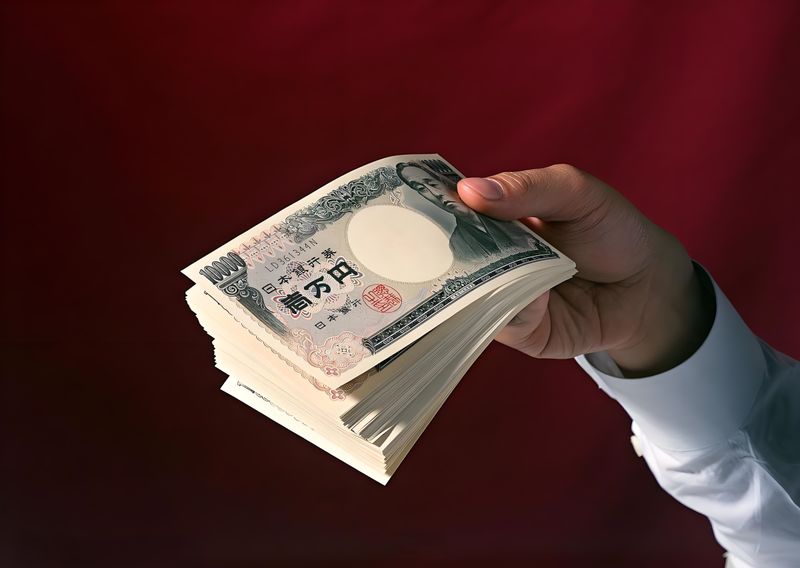
Bank of Japan's Interest Rate Hike Fails to Lift the Yen
On December 19, 2024, the Bank of Japan announced an increase in the policy rate to 0.75%, marking the highest level in 30 years. However, despite the rate hike decision, the actual effect did not change the yen's sluggish exchange rate situation, but rather intensified market distrust in Japan's fiscal policy. The yen continued to decline, hitting a new low in nearly a month, resulting in a "double blow" of bonds and currency in the market.
This rate hike decision was the first since January this year. Despite Japan's strong economic performance, the hike failed to effectively boost the yen, instead heightening investor concerns about the sustainability of Japan's fiscal policies. As the yen continues to depreciate, market confidence in Japan's fiscal stability is further shaken, creating an economic cycle where "the asset-rich become richer and the indebted poorer."
Background of the Bank of Japan's Rate Hike and Market Reaction
Previously, the Bank of Japan had been on hold mainly due to unfinished assessments of the U.S. government's high tariff policies, fearing detrimental effects on Japanese businesses and wage growth that could destabilize the economy. However, after months of evaluation, the Bank of Japan reached a consensus that the direct impact of high tariffs on Japanese companies would be limited and decided to commence rate hikes.
Nevertheless, although the Bank of Japan responded to economic conditions through the rate hike, market reaction was not as expected. While the hike benefits savers and asset holders, the adverse impact on indebted households is becoming more evident. The interest on variable-rate mortgages rises, exacerbating economic pressures on indebted families. Analysts believe that the rate hike has not resolved the yen's depreciation issue but has instead heightened market concerns.
The "Double Blow" Situation and Economic Challenges
Although the rate hike policy effectively stimulates the deposit market in some respects, its overall impact on the economy cannot be ignored. As interest rates rise, the government's interest burden on debts also increases. It is predicted that by fiscal year 2025, Japan's government debt repayment and interest payments will exceed 30 trillion yen, reaching a historic high, while the total government debt has surpassed twice its GDP. The simultaneous expansion of fiscal policy and interest rate hikes further exacerbate the market's concerns about Japan's fiscal standing.
Meanwhile, the ongoing depreciation of the yen has not been effectively curbed, worsening global market perceptions of Japan's economy. In the context of rate hikes, the lack of trust in Japan's fiscal policy and the yen's depreciation have created a vicious cycle, leading to the "double blow" scenario.
Yen Depreciation and Structural Contradictions in Government Policy
Rate hikes should stabilize the yen's exchange rate, but due to increased distrust of Japan's fiscal policy, the yen's depreciation has accelerated. On December 19, the yen's exchange rate briefly dropped to 157 yen per dollar, marking a new low in nearly a month. Typically, the narrowing of the U.S.-Japan interest rate gap would support the yen's appreciation, but concerns over the government's "responsible and proactive fiscal policy" left the yen unsupported.
Experts suggest the Bank of Japan's rate hike failed to address the yen's depreciation, instead amplifying market anxiety. While the hikes benefit savers and asset holders, they have significant negative repercussions for indebted families and businesses. Analysts believe the continued depreciation might prompt the Bank of Japan to accelerate the pace of rate hikes, but if economic pressures or market volatility increase, the pace might slow down.
Future Direction of Bank of Japan's Policies
The future effectiveness of the Bank of Japan's monetary policy in alleviating yen depreciation and fiscal pressures remains to be seen. As the Japanese government faces increasing fiscal pressure and ongoing yen depreciation issues, how to balance monetary and fiscal policies will be a key issue for Japan's economic future. If fiscal expansion policies continue, the yen may weaken further, forcing the Bank of Japan to hike rates more rapidly. Conversely, if economic pressures or market volatility intensify, the pace of monetary policy might also slow.