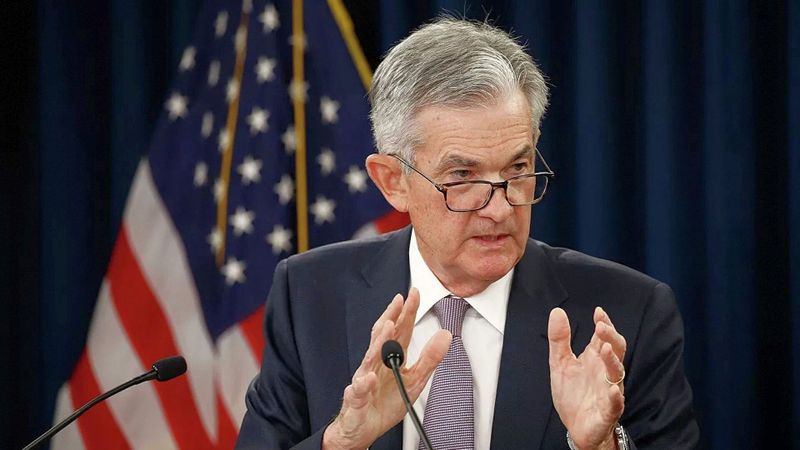
Powell's Speech Spurs Market Expectations
Federal Reserve Chairman Jerome Powell delivered a speech at the National Association for Business Economics (NABE) annual meeting, which quickly shook global financial markets. According to CME "Fed Watch" data, the market anticipates a 97.3% probability of a 25 basis point rate cut in October, with a probability of over 90% for another cut in December. This speech is seen by the market as a sign of the Fed's official pivot, with investor sentiment clearly warming.
The precious metals market reacted the fastest. The Shanghai Gold Au2512 contract recovered the previous day's losses after opening, and spot gold prices steadily rose, reflecting the market's positive absorption of the "dovish signal." Analysts noted that Powell's remarks not only strengthened rate cut expectations but also provided momentum for long-term capital to flow into safe-haven assets.
Weak Employment Becomes Core Factor for Policy Shift
Powell focused on signs of a slowdown in the employment market during his speech. The latest data shows the US unemployment rate rising to 4.3%, a new high for the year; meanwhile, non-farm payrolls have fallen short of market expectations for two consecutive months, and ADP "private small non-farm" data even recorded negative growth. Powell admitted that the labor market is "cooling" and warned that employment risks are expanding.
Industry insiders believe Powell's speech indicates that "employment downturn" is now a major policy reference point within the Federal Reserve. As labor force participation declines and corporate hiring intentions slow, the Fed may prioritize preventing economic slowdown through rate cuts in the coming months.
Hints at "Stopping Balance Sheet Reduction" Releases Major Signal
Beyond employment issues, Powell publicly suggested for the first time a plan to "possibly stop balance sheet reduction in the coming months." This move implies that the Fed's tightening cycle since 2022 may be nearing an end. The balance sheet reduction policy has been a critical tool for curbing liquidity and retrieving dollars, and stopping this will significantly enhance market liquidity, creating a more accommodating environment for rate cuts.
Economists point out that this policy shift may mark a change in the Fed's strategic focus from "countering inflation alone" to "balancing growth and employment." If future data continues to show weakening economic momentum, the Fed might accelerate the easing pace to prevent credit market tightening and rising corporate financing costs.
Inflation and Tariffs Remain Potential Risks
Although Powell signaled easing, he reiterated caution regarding inflation. He noted that the current price rises are mainly driven by tariff policies, rather than broad inflationary pressure. Powell emphasized that tariff effects are "controllable in the short term," but if trade tensions escalate, they could trigger a new round of inflationary shocks.
Analysts suggest that tariff uncertainty might impact the pace of rate cuts. If the US continues to pressure major trading partners, imported inflation could rise again, forcing the Fed to be more cautious with easing policies.
Gold Market Revitalizes Safe-Haven Appeal
In response to Powell's speech, the global precious metals market experienced a noticeable rebound. Investors reassessed the timeline for the rate-cutting cycle, increasingly allocating to safe-haven assets like gold and silver. The market generally believes that amid expectations of improved liquidity and a weaker dollar, precious metals still have room to grow.
Several institutions forecast that if the Fed formally ends the balance sheet reduction and initiates a rate-cutting cycle by the end of the year, gold prices may further break historical highs, becoming the preferred defensive asset amidst global economic uncertainty.