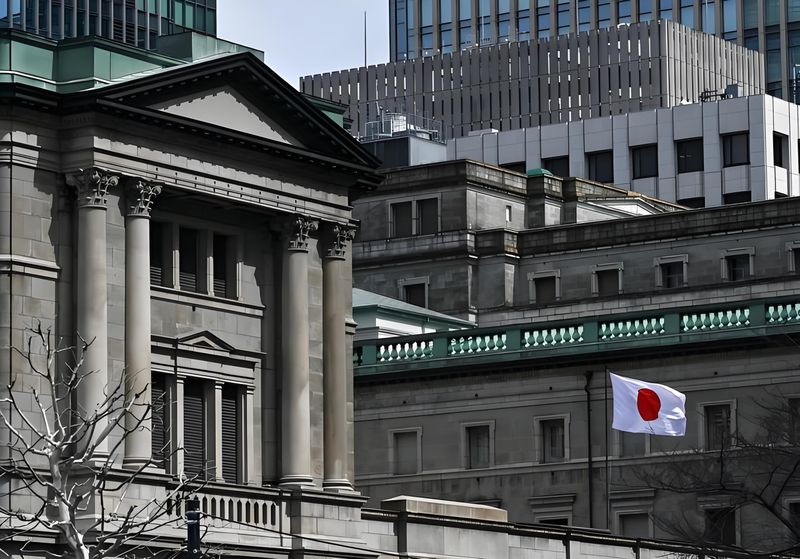
Policy Meeting Divergence Emerges
In the minutes of the Bank of Japan's monetary policy meeting held on September 18-19, some members expressed differing views on the current policy. Although the final decision was to keep the policy rate unchanged at 0.5%, two members opposed the decision, arguing that a rate increase might be more appropriate given the current situation. This divergence reflects the differing assessments within the Bank of Japan regarding inflation risks and economic outlook.
Call to Approach Neutral Rate
One member explicitly suggested that the policy rate should be gradually adjusted toward a "neutral rate" range. He argued that maintaining the accommodative environment might necessitate more aggressive rate hikes in the future, which could heighten the shock to the economy and financial markets. He emphasized that timely adjustments could help mitigate future policy risks and prevent inflationary pressures from building up.
Inflation and Uncertainty in the US Economy
While some members advocated for an increase in rates, others highlighted the uncertainty surrounding the US economy, which the Bank of Japan still needs to approach with caution. This member believes that now is not the time to turn entirely toward tightening, and maintaining the current policy might be a safer choice until the extent of the slowdown in the US economy becomes clearer.
Another member pointed out that the central bank must carefully weigh the "costs and benefits of waiting" when making decisions. Waiting too long could lead to an expansion of inflation risks, while premature action might weaken Japan's recovery momentum if the external economic environment deteriorates.
Policy Maintained but Pressure Undercurrents
The meeting's final outcome was to keep rates unchanged, continuing the accommodative policy framework. However, the emergence of differences has already conveyed an internal concern. The Bank of Japan has long maintained a super-accommodative stance among major global central banks, but as the trend of rising prices persists and as global central banks generally move toward tightening cycles, there is growing market attention to whether Japan will also gradually adjust its course.
Market and Future Expectations
Market analysts point out that the publicization of division within the Bank of Japan will increase future policy uncertainty. Especially when Japan's core inflation levels consistently exceed targets, the call for rate hikes may further intensify. Investors are closely watching the policy meetings scheduled for October and beyond to determine whether the central bank will signal a clearer shift toward tightening.
Meanwhile, the concept of the neutral rate once again comes into focus. The neutral rate is perceived as a level that neither stimulates the economy nor stifles growth. Should the Bank of Japan indeed move toward this level, it would signify a gradual end to the current extremely loose monetary environment.
Conclusion
The challenge facing the Bank of Japan is to avoid exacerbating inflation through excessive accommodation while preventing early policy tightening from hampering economic recovery. Against the backdrop of inflation risks and external uncertainties, each step in interest rate policy will have far-reaching effects on market sentiment and economic trajectories.