Test Flight Delayed Again
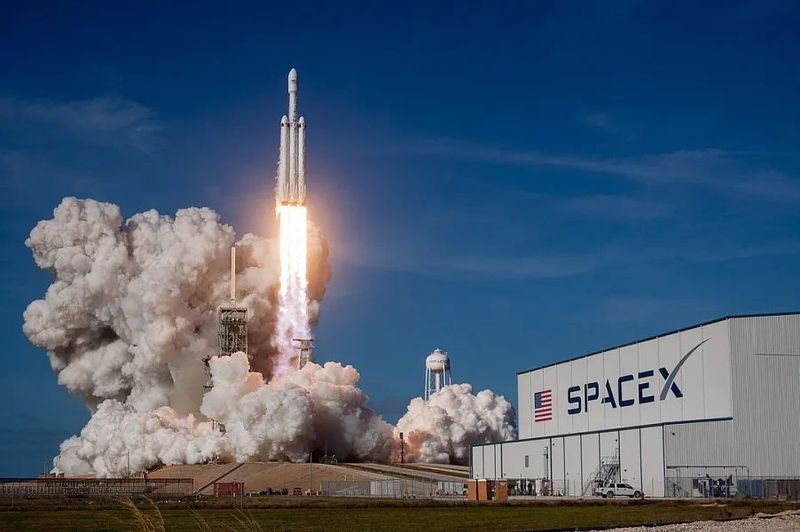
Space Exploration Technologies Corp (SpaceX) announced about half an hour before the originally scheduled Sunday launch that the tenth flight test of the Starship had been postponed. The official statement indicated that the delay was due to technical faults in the ground system, requiring more time for troubleshooting and repairs. The cancellation has drawn significant attention to the progress of the test flight and subsequent scheduling.
Musk's Plans Affected
The briefing on the development progress of the Starship, initially planned to be released before the launch, was also canceled, leaving only an uninitialized live broadcast page. SpaceX has not announced a new launch window, but industry experts point out that similar system issues in the past have typically been resolved within a few days, leading to expectations that a new attempt might not be long delayed.
Complexity of Technology
The Starship is SpaceX's next-generation heavy-lift rocket, seen as the cornerstone of the company’s future launch operations and central to Elon Musk’s vision of "Mars colonization." Despite its greater thrust, advanced heat shield, and improved steering flaps, these complex designs have repeatedly posed new technical challenges during testing. Previous test flight failures and test stand incidents have already highlighted the difficulties in its development.
Increased Pressure on NASA's Lunar Plans
NASA plans to use the Starship for its first manned lunar mission since the Apollo program as early as 2027. However, frequent delays and testing setbacks have led to questions about SpaceX's ability to deliver on time. If the pace of test flights continues to slow, NASA’s timeline will face pressure for reevaluation.
Testing Methods and Risks
SpaceX employs a "fail fast" development model, constantly learning from failures. This approach has given it a leading edge in rocket reusability but has also resulted in frequent accidents. The explosion in June, which scattered debris into Mexico, drew international attention, and the latest delay once again highlights its high-risk nature.
Upcoming Test Plans
According to the original plan, the Starship was supposed to ascend to high altitude after booster separation, with the booster undergoing a soft landing test in the Gulf of Mexico. This new phase aims to test the reliability of the backup engine configuration, laying the groundwork for future reusability. Industry analysts believe that if subsequent test flights are successful, they will demonstrate SpaceX's lead in the super heavy-lift launch vehicle field.
Outlook and Challenges
Despite setbacks, SpaceX continues to efficiently produce new test vehicles at its Texas Starbase, maintaining development momentum. Analysts generally believe that as technology improves, the Starship will eventually overcome its bottleneck. However, whether it can achieve stable success within NASA’s timeline remains the biggest challenge facing Musk and his team.