Continuous Rise in Silicon Material Prices
This week, the photovoltaic industry chain has once again experienced a price increase. According to the latest statistics from the Silicon Industry Association, the average price of N-type polycrystalline silicon for re-investment has risen to 53,200 yuan per ton, with a week-on-week increase of over 8%, and the average price of granular silicon has surpassed 49,500 yuan per ton. Industry analysis suggests that leading companies have limited external signing volumes, prompting a temporary supply tightness in the market. Favorable policies and optimistic industry sentiment have also further supported prices.
New Energy Consumption Standards Release Long-Term Impact
Notably, the National Standardization Administration has issued a draft for comments on energy consumption for polycrystalline silicon. If the new regulations are strictly enforced, non-compliant companies will be required to rectify within a set timeframe or face shutdowns. This means that industry capacity may shrink, with effective annual production expected to drop to approximately 2.4 million tons, a decrease of more than 16% compared to the end of 2024. Analysts point out that while the short-term impact of the new standards is limited, once implemented, it will profoundly alter the industry's supply-demand dynamics.
Silicon Wafer Market Continues to Rise
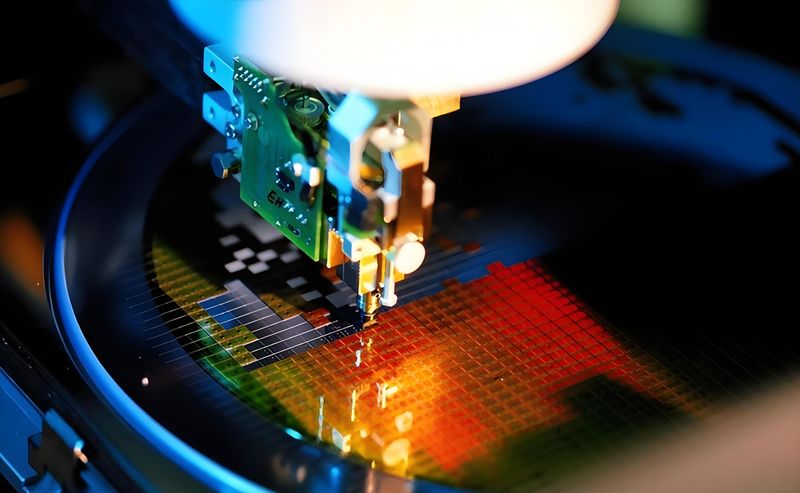
With the rising cost of silicon materials, silicon wafer prices have concurrently increased. This week, the average price of 183N monocrystalline silicon wafers rose to 1.32 yuan per piece, and 210N rose to 1.68 yuan per piece, with the highest increase reaching 5%. The Silicon Industry Association believes that active downstream demand and increased overseas market orders strongly support silicon wafer prices. Meanwhile, expectations of export tax rebate policies also become a significant factor in the market's bullish outlook.
Market Differentiation and Size Differences
Monitoring data from industry agency InfoLink shows that the transaction activity of 183N silicon wafers has significantly increased, with prices stabilizing around 1.35 yuan per piece; the 210N demand is stable, with quotes nearing 1.70 yuan per piece; while the 210RN faces issues with insufficient acceptance. Despite adjusted quotes, high inventory in cell factories leads to a lower willingness to transact. The industry generally believes that 183N still has strong support in the short term, while 210RN is met with a wait-and-see attitude.
Price Game in the Battery Segment
In the battery segment, mainstream quotes remained flat compared to last week. Due to the increase in silicon wafer prices upstream, some manufacturers tried to raise quotes, but transactions were limited. Major component manufacturers maintained a cautious attitude, observing the market trends. Analysts point out that the battery and component segments are still in a price game stage, making it difficult for price increases to fully pass through in the short term.
Stable Yet Changing Component Market
In the component segment, the market is primarily focused on fulfilling previous orders, with some companies offering low prices to clear inventory, causing a decline in quotes for certain projects. However, overall, bulk transaction prices remain stable. Prices for TOPCon, HJT, and BC components fluctuate within a reasonable range, with major manufacturers reducing low-price deliveries to maintain market order.
Outlook for Future Trends
Industry insiders generally believe that silicon material and silicon wafer prices remain supported in the short term, mainly driven by raw material costs and overseas demand. However, in the medium term, price trends will still depend on the terminal market's ability to absorb the prices and whether the component segment can effectively pass on cost pressures. With the gradual implementation of new energy consumption standards, the photovoltaic industry chain may enter a new equilibrium phase in the future.