
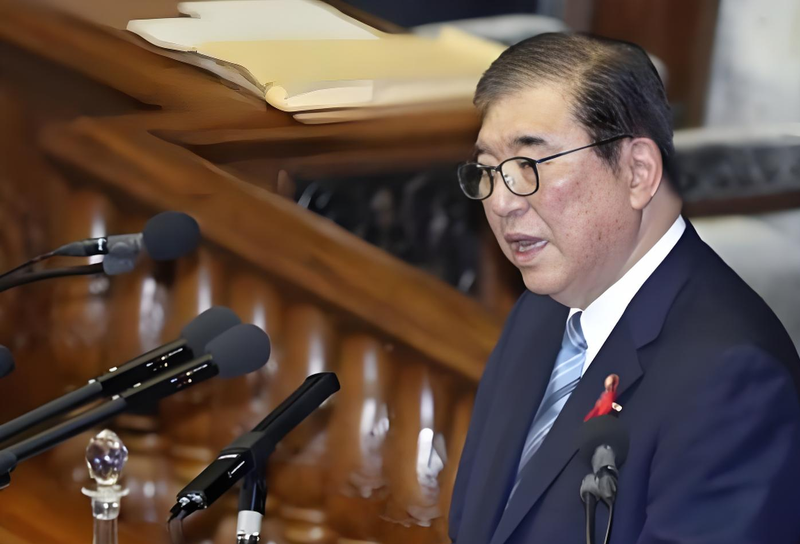
Ruling Coalition in Crisis, Political Instability Intensifies
On July 20, 2025, the results of Japan's House of Councillors election were announced, revealing that the Liberal Democratic Party-Komeito Alliance failed to secure more than half of the seats. Coupled with the loss in the 2024 Lower House election, Prime Minister Shigeru Ishiba became the first post-war Prime Minister to lose the majority in both houses. This political instability has sparked intense debate within the party about his potential resignation.
Voices of opposition within the Liberal Democratic Party are growing louder, with senior party members, local representatives, and conservative lawmakers questioning his leadership abilities. Though Ishiba stated after the election that he would not step down voluntarily, widespread external expectations suggest his political future is precarious.
Policy Advancement Challenged, Market Fears Policy Vacuum
In a "lame-duck government" situation, Ishiba’s ability to advance the annual budget, tax reform, and trade agreements is being widely questioned. Analysts warn that if the government cannot reach a consensus with opposition parties, Japan faces the dual risk of policy stagnation and uncontrolled fiscal expenditure.
The Economic News pointed out that if the Ishiba government seeks to form a "grand coalition government," it could exacerbate voter concerns over authoritarian tendencies and further damage the government's credibility. At the same time, weakened fiscal discipline and escalating political strife will heighten foreign investors' risk aversion.
Strong Reactions in Financial Markets, Asset Prices Volatile
Government Bond Yields Continue to Rise
With growing political uncertainty, Japan's government bond market is under heavy selling pressure, with the yield on 30-year bonds reaching new highs. Investors anticipate that the future government will increase fiscal spending to mitigate economic impacts, raising the supply of bonds and, consequently, long-term yields.
Research from Barclays indicates that if the new government adopts aggressive fiscal policies, long-term interest rates may face additional increases of more than 20 basis points, subjecting the bond market to continued bearish pressure.
Yen Briefly Rebounds but Remains Under Pressure
Although the initial election results sparked short-term safe-haven inflows, causing the yen to momentarily rebound against the dollar, analysts believe this trend is unlikely to persist. If Ishiba resigns and his successor resumes an accommodative monetary policy, the yen may re-enter a depreciation phase.
Deutsche Bank forecasts that if the yen falls below the critical level of 155, the Ministry of Finance might intervene, but the effectiveness of such interventions will depend on Fed policy moves and the structure of the US-Japan interest rate spread.
Short-term Stock Market Volatility, Foreign Investor Confidence Under Strain
The overall performance of the Japanese stock market is shaky. Although some sectors benefit from a depreciating yen, concerns among foreign investors over Japan's overall policy continuity are weighing down index performance. The Nikkei 225 faces restrictions amid strong market caution.
T. Rowe Price analysts suggest that foreign investors may pause Japanese investments, and export-oriented companies could face dual uncertainties of trade negotiations and exchange rates, potentially extending the stock market recovery period into the autumn.
Rise in Risk Aversion, Strong Demand for Gold
With Japan's uncertain political outlook and global trade unpredictability intertwined, gold is becoming an important safe-haven asset choice for investors. SPDR Gold ETF has seen consecutive gains, indicating a surge of capital into the precious metals sector.
Experts indicate that the ongoing instability in Japan's political landscape is undermining the yen's traditional role as a safe-haven asset, making gold the preferred choice due to its global liquidity and pricing neutrality.
Political Direction Determines Asset Trends
In the coming weeks, Japan’s political direction will be the focal point for global markets. If Ishiba steps down early, his successor’s policy direction will impact risk pricing in debt, currency, and equity markets; if he remains, swift stabilization of intra-party dynamics and policy reform advances will be necessary to restore market confidence.
Regardless of the outcome, Japanese assets will undergo ongoing volatility adjustments. International investors should closely monitor the restructuring path of Japan's political decision-making and the ultimate direction of the US-Japan trade agreement. Japan's market has entered a politically driven cycle, requiring dynamic adjustment of asset allocation strategies accordingly.

