

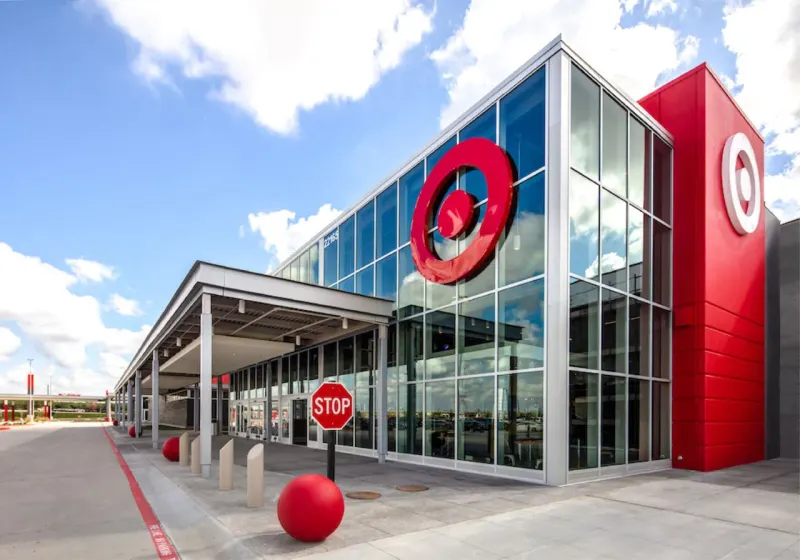
Target Initiates Major Organizational Restructuring
The American retail giant Target announced on Thursday that it will lay off approximately 1,000 employees and eliminate 800 unfilled positions as part of efforts to optimize organizational structure and enhance operational efficiency. This decision signifies the retailer's accelerated transition to a leaner and more agile operational model.
In an internal memo to employees, the company stated that the layoffs will mainly impact headquarters functions, affecting roles in merchandise planning, supply chain management, marketing, and corporate support, accounting for about 8% of the headquarters workforce. Target emphasized that this adjustment is not merely a cost-cutting measure but is aimed at "redesigning work methods" to enable teams to execute strategic goals more swiftly.
New CEO Leading Change, Focus on "Simplification"
The personnel restructuring is led by Target's Chief Operating Officer and soon-to-be CEO, Michael Fiddelke. In the memo, he candidly stated that the "excessive layers and redundant processes" accumulated over the years have become obstacles to growth.
Fiddelke noted, "Our business scale continues to expand, but internal mechanisms have become increasingly complex. It's time to remove unnecessary layers and overlapping work to make every decision more efficient and impactful."
Industry insiders believe this move signals Target's intention to reshape organizational culture through management system reform, promoting decision-making at lower levels and team autonomy. Analysts indicate that this "slimming reform" has become a common trend among large U.S. retail enterprises, especially amidst e-commerce competition and consumer fatigue, where organizational efficiency is a key competitive advantage.
Temporary Remote Work, Details to Be Announced Next Week
In an internal message, Target has asked all staff at its U.S. headquarters to work from home next week to maintain operational stability during the organizational changes. The company plans to officially announce the details of the layoff plan next Tuesday, at which time affected employees will receive formal notification.
Reportedly, the company will offer departing employees severance packages, career transition support, and counseling services as part of a range of transitional assistance measures. Target also promises to retain frontline store and logistics roles while reducing headquarters positions to ensure customer service and supply chain stability.
"Slimming Wave" in Retail Reemerges
Target's decision is not an isolated incident. Since the beginning of the year, several U.S. retail and tech companies have implemented similar structural layoffs. Retail giants such as Walmart, Amazon, and Home Depot have announced mid-2024 headquarters job cuts to address high costs and slow consumer spending.
Analysts note that post-pandemic, the retail industry faces two major transformation challenges: digitization and cost efficiency. Slowing in-person sales growth, intensified e-commerce competition, coupled with high inflation that has weakened the purchasing power of middle and low-income households, are forcing traditional retailers to accelerate optimization of their organizational structures to maintain profit margins.
According to Refinitiv data, the total layoff scale in the U.S. retail industry had exceeded 70,000 by 2024, marking the highest level since the pandemic in 2020.
Target's Strategic Adjustment and Future Direction
In recent years, Target has been advancing its digital transformation by increasing investment in private-label brands, e-commerce platforms, and supply chain automation. The company plans to further expand its "store-warehouse integration" model within the next two years to enhance efficiency through local fulfillment of online orders.
However, analysts believe the effectiveness of organizational reform still depends on execution. Mike Baker, head of retail analysis at Wells Fargo, points out, "Target must find a balance between cost savings and maintaining innovation, or they risk short-term profit improvement at the cost of long-term growth."
Although this round of layoffs brings short-term pain, the market generally believes that if the company succeeds in simplifying its structure and accelerating decision-making efficiency, it may help regain growth momentum in a high inflation and highly competitive retail market.
Target's "Painful Restart"
Target's latest move is seen as a "painful restart" — it may impact employee morale and brand image in the short term, but in the long run, improving organizational efficiency will be crucial for maintaining competitiveness in the ever-changing consumer environment.
With the new CEO Fiddelke about to officially take over the company, whether Target can strike a balance between reform and stability will be the focus of the market in the coming months.

