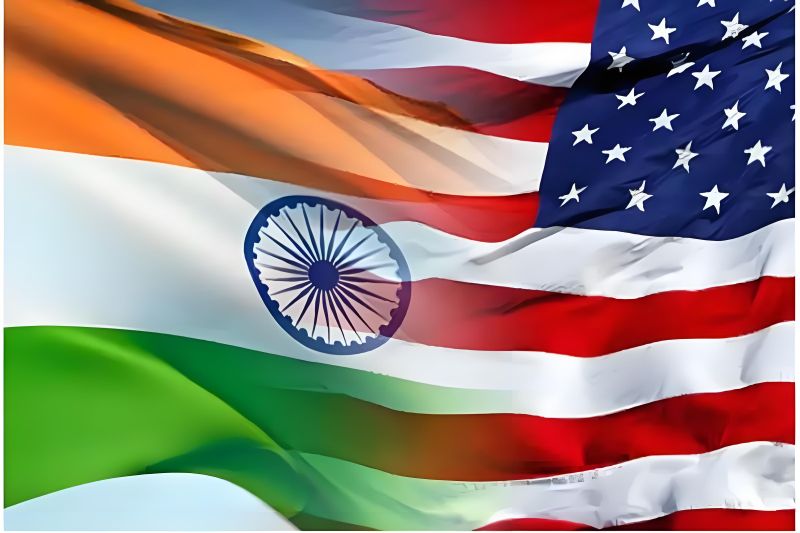
India and the US Accelerate Negotiations, Aim to Sign Preliminary Agreement by End of Month
According to Indian government officials, substantial progress was made during India-US trade talks held in New Delhi on June 11. The discussions focused on market access for industrial goods and certain agricultural products, reducing tariffs, and cutting non-tariff barriers. Both sides are optimistic about the prospects of the negotiations.
An Indian government source familiar with the negotiations said, "This round of talks was fruitful and laid a solid foundation for a mutually beneficial and balanced agreement." Participants included a US delegation led by senior officials from the Office of the United States Trade Representative and Indian officials such as Chief Negotiator Rajesh Agrawal from India's Ministry of Commerce.
Digital Trade and Customs Facilitation on the Agenda
The closed-door talks also covered digital trade facilitation. The two sides discussed ways to improve customs efficiency and trade processes to promote cross-border flow of digital products and services. These measures are seen as key components in reaching the first phase of the agreement.
An Indian negotiator revealed, "We have reached a preliminary consensus with the US on digital trade and optimization of customs procedures, although some technical details still require further discussion."
Tariffs and Market Access: Differences Remain
Despite positive progress in the negotiations, differences remain on some key issues. For example, the US demand for India to open its market to imports of wheat, dairy products, and corn was rejected. In response, India promised to reduce import tariffs on high-value US products such as almonds, walnuts, and pistachios.
Additionally, India seeks the removal of the current 10% base tariff on Indian goods and a 50% steel export tariff imposed by the US. However, the US stated it will not offer special treatment and pointed out that even recently signed trade agreements, such as with the UK, have not exempted such tariffs.
Preliminary Agreement Likely by End of June, Comprehensive Agreement Planned for Fall
India and the US are striving to sign a preliminary agreement by the end of this month before the expiration of the Trump administration's "reciprocal tariff" exemption period, to ensure bilateral trade remains unaffected by potential tariff adjustments. India's Commerce Minister Piyush Goyal indicated that India is willing to prioritize resolving less technically challenging issues to expedite the agreement process.
Reportedly, the two countries plan to leave more complex trade issues, such as e-commerce rules, medical device pricing, and patent protection, for the next phase of negotiations, aiming to conclude the comprehensive trade agreement framework by September to October.
India-US Trade Volume Expected to Reach New Heights
The US is currently India's largest trading partner. By 2024, the total bilateral trade is expected to reach $129 billion, with $41.8 billion in US exports to India and $87.4 billion in imports from India, resulting in a US trade deficit of $45.7 billion. If the agreement is successfully concluded, it is expected to significantly increase the scale of bilateral trade.
Modi and Trump have set a goal to expand India-US trade to $500 billion by 2030. The progress in the current round of negotiations provides a positive signal for achieving this goal and lays a solid foundation for deepening economic cooperation in the future.
Pragmatic Cooperation Opens Growth Space
The progress of these negotiations indicates that despite differences in certain sensitive areas, India and the US are moving towards a more robust economic and trade relationship driven by mutual interests. If the preliminary agreement is successfully signed, it will create a win-win situation for both countries and boost confidence for subsequent negotiations.