EU Announces Tariff Measures
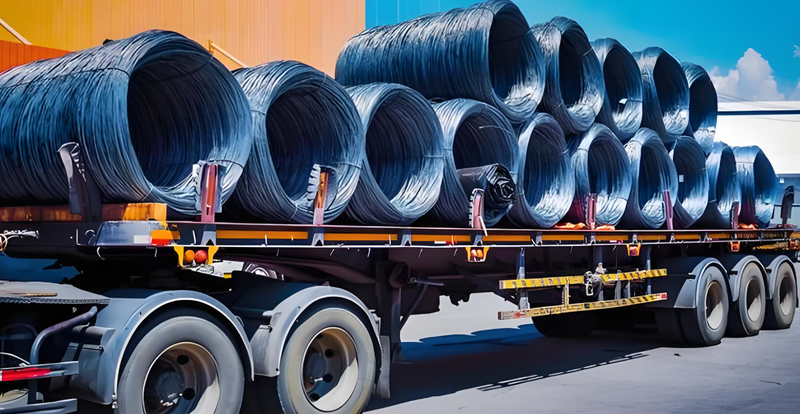
The European Commission recently announced the implementation of a 12.1% anti-dumping duty on hot-rolled steel products from Vietnam. This move signifies a tougher protective stance by the EU in the global steel trade. The policy emerged against the background of Vietnam's steel industry actively expanding into the European market, while the EU fears low-priced imports could harm local producers.
It is noteworthy that the taxation is not one-size-fits-all. Products related to Hoa Phat Group in Vietnam have been specifically exempted, reflecting the EU's consideration of differences among companies in its execution.
Multiple Countries Face Sanctions
In addition to Vietnam, the EU has imposed anti-dumping duties on similar products exported from Japan and Egypt, illustrating Europe's overall defensive stance in the steel sector. Analysts believe such tariff measures will profoundly impact the global steel value chain, especially for countries and companies highly dependent on exports.
In recent years, global steel industry competition has intensified, with notable price fluctuations. Anti-dumping duties, as a trade protection tool, often serve as a crucial means for economies to combat price dumping and protect local industries. However, as multiple countries face taxation simultaneously, the stability of supply chains and the market landscape might undergo a new round of reshuffling.
The U.S. Has Already Acted
In fact, the United States had previously taken similar actions. From July 2024 to June 2025, the U.S. imposed anti-dumping duties on cold-rolled steel import products from multiple countries, including Vietnam. This reveals the increasingly evident tendencies towards trade protectionism in the steel sector by the U.S. and Europe.
The EU's latest measures echo the practices of the U.S., further highlighting the converging stance of developed economies on industry safety and market protection. With more policies being introduced, emerging steel exporters like Vietnam will face a more complex external market environment.
Challenges and Opportunities for Vietnamese Steel
The Vietnamese steel industry has rapidly developed in recent years, particularly making breakthroughs in expanding overseas markets. However, the EU's taxation will directly increase its export costs, weakening its competitiveness in the European market. Industry experts suggest that Vietnamese steel companies must accelerate product diversification and quality upgrades to maintain their advantage in global competition.
On the other hand, Hoa Phat Group's exemption underscores that high standards, compliance, and brand reputation are essential for overcoming tariff barriers. For other Vietnamese steel companies, this presents both a challenge and an opportunity for transformation and upgrading.
Global Steel Landscape Tightens Again
With the EU and the U.S. taking action one after another, global steel trade tensions are intensifying, forcing market participants to reassess supply chains and pricing strategies. For the downstream manufacturing sector, rising tariffs mean increased costs, which may eventually affect the prices of end products.
Whether the international community will engage in a new round of negotiations and cooperation on the steel industry remains to be seen. However, it is certain that uncertainty in the global steel market is significantly increasing, and both companies and policymakers need to prepare for long-term responses.