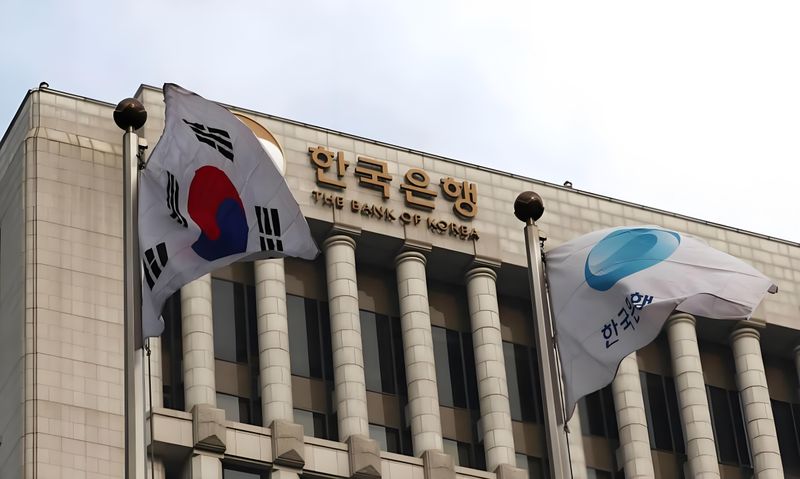
Foreign Exchange Agreement to be Announced
The South Korean Finance Minister recently revealed that South Korea and the United States have reached a consensus on a foreign exchange agreement, and it will be announced soon. Although he did not disclose specific details, he emphasized that the establishment of this agreement adds new momentum to the financial cooperation between the two countries.
An unnamed South Korean Ministry of Finance official informed foreign media that this agreement does not involve the bilateral tariff negotiations previously promoted by the Trump administration, and therefore is not directly related to currency swap talks.
Decoupled from Tariff Negotiations
Recent developments in US-Korean tariff negotiations have attracted significant attention, particularly under the Trump administration's demands for adjustments in investment amounts and trade concessions from Korea. There was market concern that foreign exchange issues might be included. However, the South Korean Ministry of Finance has clarified that the foreign exchange agreement is independent, focusing mainly on monetary market cooperation and stability mechanisms.
The Finance Minister also cited statements from U.S. Treasury Secretary Busting, who promised to discuss further with other U.S. officials and report back to South Korea once results are obtained.
Market Interpretation and Potential Impacts
Although the details of the agreement have not been disclosed, the market generally believes that this move might be a strategic layout for both countries in maintaining financial stability, especially amid rising global economic uncertainties and increased currency volatility. Analysts speculate that the agreement may involve coordinated mechanisms for forex market intervention, financial liquidity support arrangements, or even a framework for cooperation between central banks in extreme situations.
Recently, South Korea's economic growth has been pressured by slowing exports and demographic issues, leading to a weakened won against the dollar. If the foreign exchange agreement can boost market confidence, it could help alleviate capital outflow pressures and stabilize the won to some extent.
Dual Considerations of Diplomacy and Economy
Some commentators believe the political significance of the foreign exchange agreement may exceed the technical aspects. Faced with the Trump administration's global high-tariff and bilateral pressure strategy, South Korea's move indicates a desire to retain space for financial cooperation outside trade conflicts. By emphasizing the agreement’s separation from tariff talks, South Korea aims to avoid domestic perceptions of making concessions in exchange for tariff reductions.
Meanwhile, the U.S. Treasury also needs to demonstrate its leadership in global financial governance through currency cooperation with allies. Announcing the foreign exchange agreement at this time sends a clear signal of cooperation and stability.
Outlook and Uncertainty
Although the agreement has been reached, there are still many questions about its effectiveness due to a lack of specific details. If the content remains at a principle level, its actual market impact may be limited. However, if it involves liquidity support or a currency swap framework, it could significantly enhance the resilience of both countries in facing financial shocks.
In the coming weeks, the market will closely monitor further explanations from US and Korean officials on the agreement's content. Regardless of the final details, this agreement has become an important signal in the economic and financial relations between the two countries, helping to stabilize market expectations and influence the bargaining positions of South Korea and the US in broader future economic cooperation.