
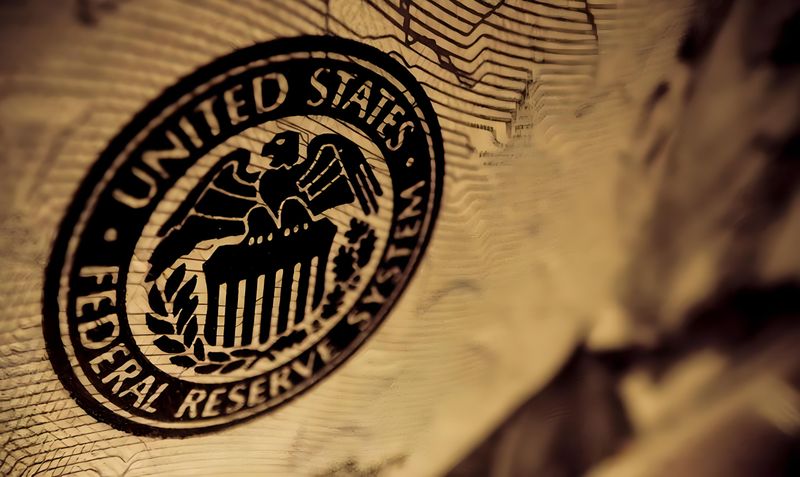
Rate Cut as Expected, but Market Remains Cautious
On September 18th, the Federal Open Market Committee (FOMC) announced a reduction of the federal funds rate target range to 4.00%-4.25%, marking the first easing move since September 2024. Despite long-term market expectations for multiple rate cuts within the year, this 25 basis points adjustment was interpreted by outsiders as "risk management" rather than the beginning of sustained easing.
The guidance from the Federal Reserve suggests there may be two more rate cuts this year. However, recalling history, after a substantial rate cut in September 2024, the Federal Reserve maintained unchanged rates for a whole year. This leaves the market highly skeptical about the sustainability of the so-called "rate cut channel."
Lingering Shadow of Inflation
Although the price trends have eased compared to last year's peak, the Federal Reserve remains steadfast in its long-term inflation goal of 2%. Considering the new U.S. tariff policies are driving up import costs, the risk of rising inflation in the future remains.
Latest forecasts indicate that core PCE inflation would still be above 3% by the end of 2025, only potentially reaching the 2% target by 2028. Clearly, the Federal Reserve does not believe inflation is fully under control, which is a significant reason for its reluctance to start substantial consecutive rate cuts.
Employment Market Takes Center Stage
Compared to the risk of inflation, the weakening employment market seems more concerning to the Federal Reserve. Chairman Powell admitted at the press conference that hiring and job growth have notably slowed down, with some indicators becoming increasingly undeniable. Unlike previous statements emphasizing a "robust labor market," the Federal Reserve's latest statement directly shifted to saying "the balance of risks has changed."
This implies that the Federal Reserve's future policy focus might be on preventing a downturn in employment rather than solely pursuing price stability. In other words, the rate cuts appear more like a cushion for the labor market rather than a signal of comprehensive easing.
Dollar and Market Reaction
Notably, following this rate cut, the dollar did not weaken as some investors anticipated; instead, it rebounded from around the 96.4 level to approximately 96.7 points. Analysts believe this is due to the market’s earlier expectations of a 50 basis points cut not materializing, coupled with the Federal Reserve not releasing a stronger dovish signal, thus propelling the dollar higher through adjustment.
In the foreign exchange market, the dollar's reversal led to sharp fluctuations in major currency pairs, significantly increasing investor divergences regarding future trends. Meanwhile, U.S. stocks narrowed their losses after the rate decision, and the S&P 500 futures still reflect some optimistic expectations.
Risks and Outlook
Powell emphasized that "there is no risk-free path," highlighting the Federal Reserve's tough balance between inflation and employment. The possibility of higher tariffs and input costs might cause inflation to flare up again at any time, while a weakening labor market forces policy to remain accommodating.
Overall, although this rate cut fulfilled market expectations, it is not sufficient to confirm the Federal Reserve has entered a persistent rate-cutting cycle. In the coming months, investors need to closely monitor the latest data on employment and inflation to determine if there’s a turning point in policy direction.

