

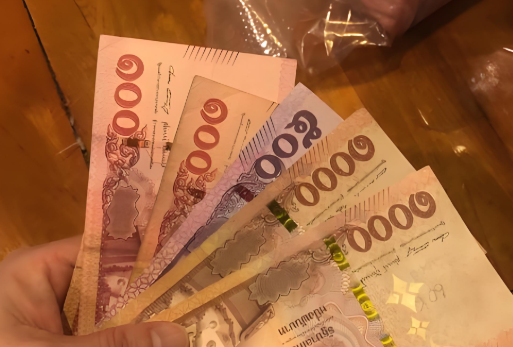
Thai Baht Appreciation Hits Recent Highs
Recently, the Thai baht has been strengthening continually against the US dollar, reaching levels not seen in recent years. This reflects multiple changes in international capital flows and domestic fundamentals. Since the beginning of the year, the Thai baht has risen significantly, standing out among emerging market currencies. Analysts point out that this trend not only represents a revival of capital inflows to the region but also shows the market's recognition of Thailand's macroeconomic stability.
However, the rapid appreciation of the exchange rate has also drawn policy attention. For an economy still heavily reliant on external demand, a strong currency often means reduced price competitiveness for exports and pressure on corporate profit margins.
Fiscal Authorities Issue a Cautious Signal
Thailand's fiscal authorities have recently expressed concern over the strengthening exchange rate. Officials noted that if the appreciation continues, it could hinder the export sector and overall economic growth. To mitigate the adverse effects of the exchange rate, the government is considering adjustments through administrative and operational measures, including encouraging state-owned enterprises and relevant agencies to arrange import plans in advance to balance foreign exchange flows.
This stance has been interpreted by the market as an indication that the authorities do not wish for the baht to continue appreciating unilaterally in the short term, but rather for the exchange rate to remain within a range more favorable to the real economy.
Policy Pressures Ahead of Central Bank Meeting
With the baht strengthening, Thailand's central bank is facing increased pressure ahead of its upcoming monetary policy meeting. The market generally believes that the strong exchange rate will be a key background factor in the bank's discussions. Some institutions expect that the central bank may signal a preference for more accommodative measures through policy rhetoric or liquidity management tools to alleviate the constraints of the exchange rate on the economy.
However, there is also an opinion that the central bank needs to balance exchange rate stability with financial risk prevention. Excessive accommodation could trigger asset price volatility and exacerbate long-term structural issues.
Impact of External Environment and Tariffs
In addition to domestic factors, the external trade environment also affects the baht's trend. The new round of US tariff measures has increased cost pressures on Thai export companies, amplifying the negative effects of the currency appreciation. In this context, even if export demand remains resilient, companies still face the reality of compressed profits.
Meanwhile, the authorities have previously taken steps to reduce currency fluctuations related to gold trade, which has somewhat eased short-term volatility but has not changed the overall appreciation trend.
Tourism and Service Trade Offer Support
In contrast to goods trade, service trade continues to offer clear support to the baht. With the arrival of the tourist season, foreign exchange income has increased significantly, becoming an important driver for the upward trend of the exchange rate. The return of international tourists not only improves the current account situation but also boosts market confidence in Thailand's economic recovery.
Analysts believe that as long as the tourism industry remains strong, the baht will continue to receive some support in the medium term, posing a challenge to reversing the exchange rate trend solely through policy intervention.
Policy Choices Under Structural Constraints
Overall, the baht's appreciation reflects the combined effects of capital inflows, improvements in service trade, and shifts in market expectations. However, from an economic structure perspective, Thailand still relies heavily on exports and is not fully equipped to sustain a strong domestic currency in the long term.
In the coming period, the Thai central bank and fiscal authorities will need to find a more nuanced balance between stabilizing the exchange rate, supporting growth, and preventing risks. The baht's trend is not only a matter of short-term market sentiment but also an important indicator of Thailand's macroeconomic policy direction.

