What is Abenomics?
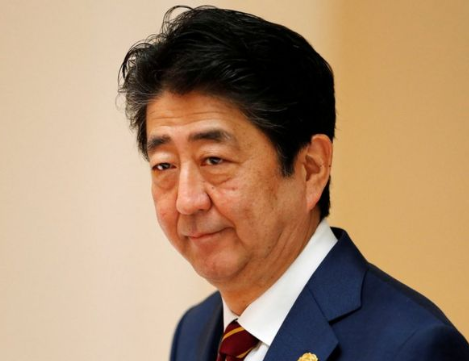
Abenomics refers to the economic policies implemented by Japanese Prime Minister Shinzo Abe during his second term in office starting in 2012. Abenomics encompasses increasing the national money supply, boosting government spending, and instituting reforms to make Japan's economy more competitive. The Economist encapsulated the plan as "a combination of reflation, government spending, and growth strategy meant to rescue Japan’s economy from more than two decades of stagnation."
Understanding Abenomics
Abenomics is a set of specific economic policies proposed by a politician, similar to Reaganomics or Clintonomics. It is seen as a way to lift Japan’s economy out of low growth and low inflation. Japan’s economic troubles trace back to the burst of the real estate bubble in the 1980s and the asset price bubble in the early 1990s, leading to decades of economic stagnation known as Japan’s "lost decades."
To address the economic stagnation of recent decades, the Japanese government has funded public projects through large budget deficits. In 1998, economist Paul Krugman suggested in a paper titled "Japan’s Trap" that Japan could break free from economic stagnation by implementing irresponsible monetary policy for a period to raise inflation expectations, thereby lowering long-term interest rates and encouraging the necessary spending.
Key Points
- Abenomics refers to a series of economic policies promoted by Japanese Prime Minister Shinzo Abe during his second term starting in 2012.
- Abenomics is described as a "three-arrow policy" consisting of increasing the money supply, expanding government spending, and implementing economic and regulatory reforms to make Japan more competitive in the global market.
- As Abe’s tenure continued, Abenomics evolved to include topics such as female workforce participation, sustainable growth, and the "Society 5.0" concept aimed at further digitalizing Japan.
Japan adopted some of Krugman's suggestions by expanding the money supply domestically and maintaining very low interest rates, which facilitated economic recovery starting in 2005, but has yet to resolve Japan's issue with low inflation.
Abenomics and the Three-Arrows Policy
Shortly after beginning his second term in December 2012, Abe introduced the Abenomics plan to revive Japan's stagnant economy. In a post-election speech, Abe announced that he and his cabinet would "implement bold monetary policy, flexible fiscal policy, and a growth strategy that encourages private investment," aiming to lift Japan's economy out of its sluggish state through these three pillars.
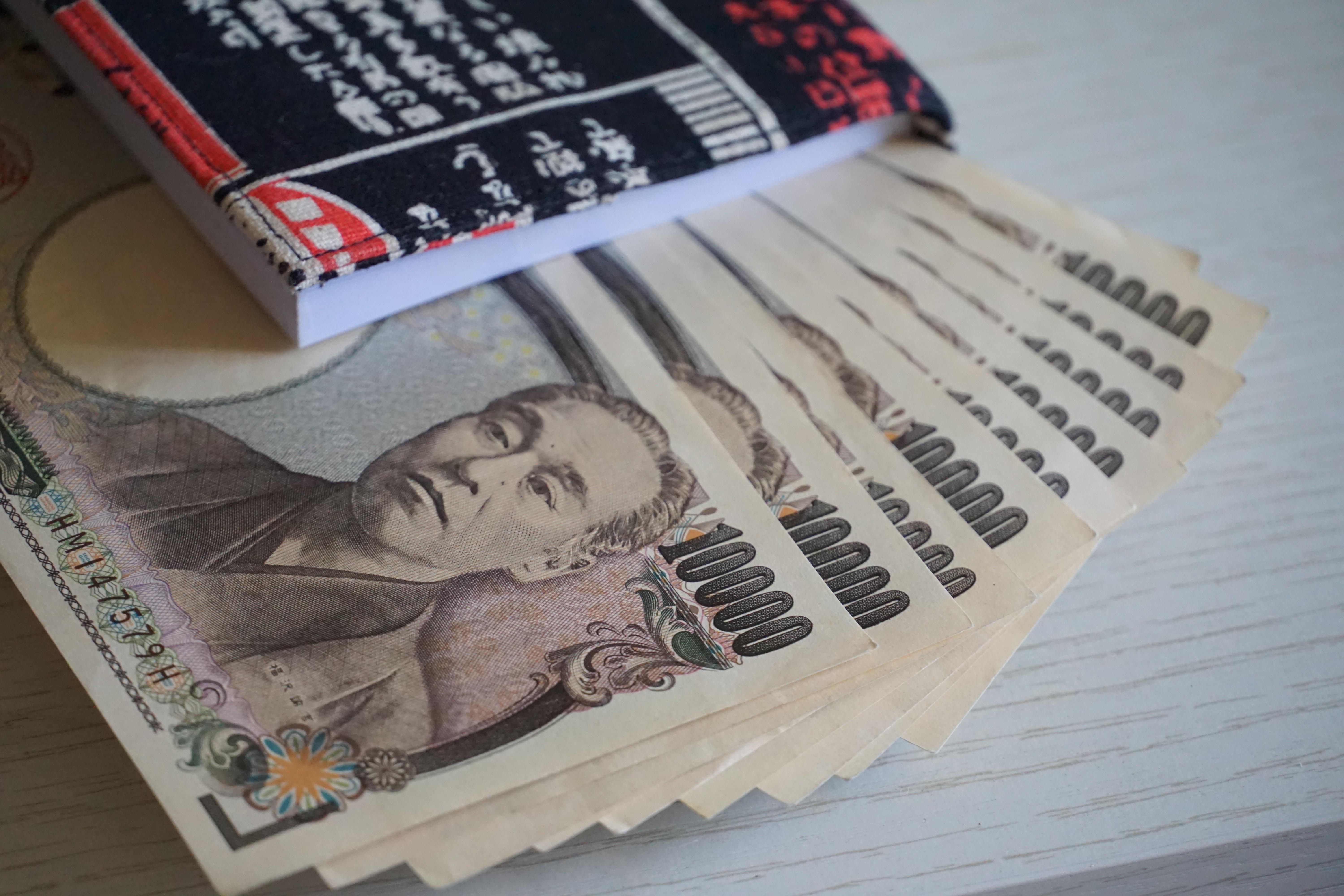
Abenomics primarily comprises "three arrows." The first arrow involves issuing an excess of currency, ranging from 60 trillion to 70 trillion yen, to make Japanese exports more competitive and generate modest inflation. The second arrow consists of launching new government spending programs to stimulate demand and consumption, promoting short-term growth, and achieving long-term budget surpluses.
The third component of Abenomics is more complex, involving reforms to various regulations to make Japan’s industries more competitive and encourage private sector investment. This includes corporate governance reform, liberalizing the medical sector, modernizing the agricultural sector, and planned restructurings of the utilities and pharmaceutical industries. The most significant aspect involves the Trans-Pacific Partnership (TPP), which economist Tatsuhiko Yoshizaki described as "crucial" to Abe's economic revitalization strategy, leveraging free trade to enhance Japan’s competitiveness.
Was Abenomics Successful?
Like all Japanese economic policies since the burst of the bubble, Abenomics has had periods of success and times of stagnation. While inflation targets were gradually met, nominal GDP grew, and corporate pre-tax profit and tax revenues significantly increased in the years following its implementation, it is still too early to definitively assess the overall success of Abenomics.