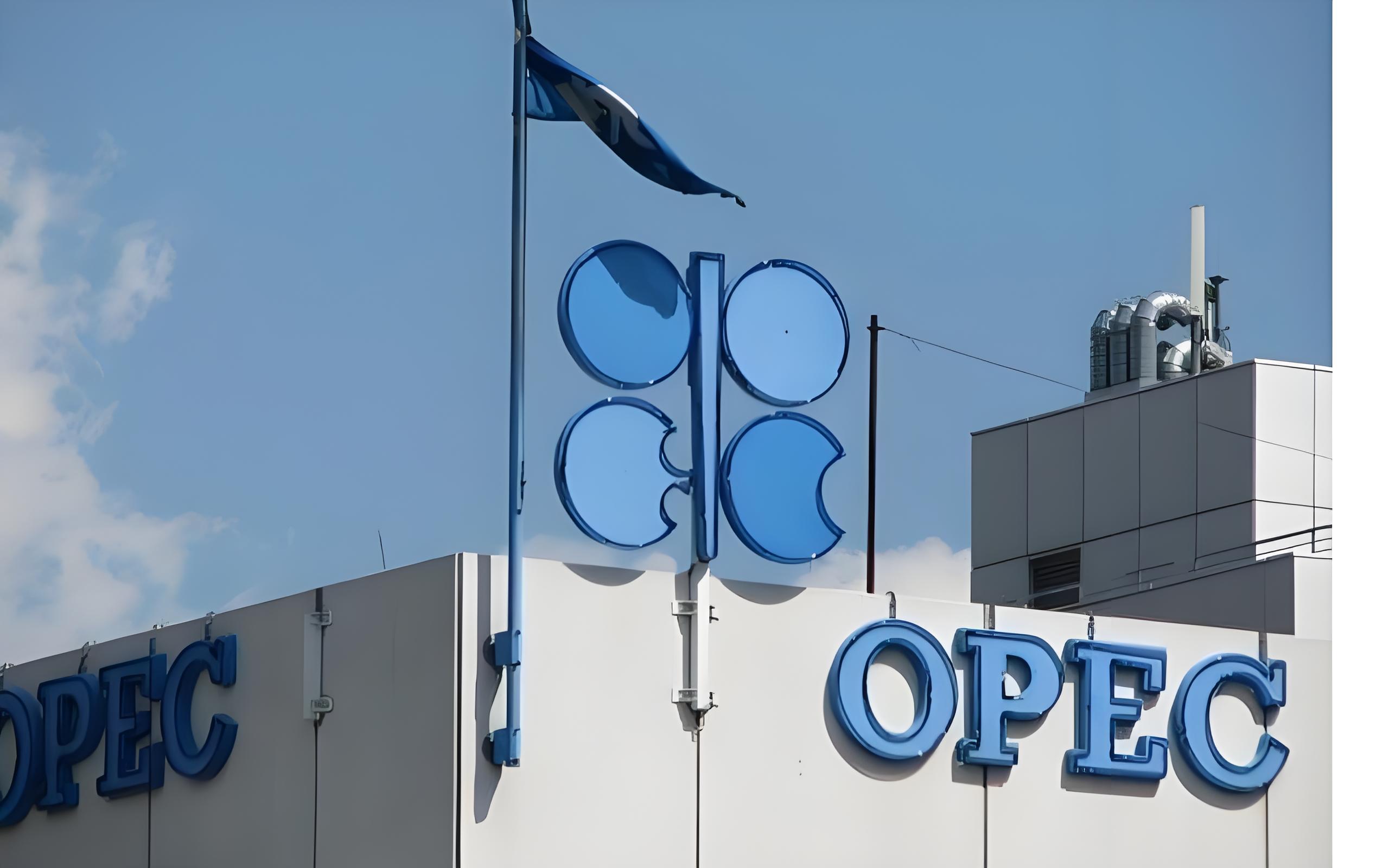
The Organization of the Petroleum Exporting Countries (OPEC) is a multinational organization founded in 1960, comprising the world's major oil-producing countries. Its purpose is to coordinate and unify the petroleum policies of its member countries. The establishment of OPEC has had a profound impact on the global oil market and the international economy.
History and Background of Establishment
OPEC was established in September 1960 in Baghdad, Iraq. The initial five founding member countries were Iran, Iraq, Kuwait, Saudi Arabia, and Venezuela. The organization was created in response to the dominance of Western oil companies in the global oil industry during the 1950s, known as the "Seven Sisters," which controlled most of the world's oil exploration, production, and sales. OPEC's goal was to ensure that member countries could obtain economic benefits more fairly in the global oil market.
Organization Structure and Member Countries
As of the latest information I have (2023), OPEC consists of 13 member countries, including nations from the Middle East, Africa, and South America. These countries collectively hold about 80% of the world's oil reserves and have significant influence on global oil supply. The highest authority within OPEC is the Ministerial Conference, held semi-annually, composed of the oil ministers of the member countries. The organization also has a Secretariat, located in Vienna, Austria, responsible for its daily operations.
Main Goals and Functions of OPEC
The main goals of OPEC are to coordinate the petroleum policies of its member countries to ensure the stability of oil markets and favorable prices. This includes:
- Pricing Policies: OPEC aims to influence global oil prices by controlling production levels.
- Production Quotas: Members adjust their oil output according to allocated production quotas.
- Market Monitoring: Continuously monitoring changes in the global oil market and making corresponding policy adjustments.
- Coordination Among Member Countries: Ensuring cooperation and consensus among member countries, especially during global economic or political events affecting the oil market.
The Role of OPEC in the Global Oil Market
OPEC plays a significant role in the global oil market. By adjusting production, OPEC can influence global oil supply and, consequently, oil prices. During periods of economic prosperity, OPEC may increase production to stabilize prices; during economic downturns, it may reduce production to support prices. OPEC's decisions are closely monitored by global oil-consuming countries, oil companies, and investors.
Challenges Faced by OPEC
Despite OPEC's significant impact on the global oil market, the organization faces several challenges:
- Conflicting Interests Among Member Countries: The economic conditions and oil policies of member countries vary, which can lead to differences in decision-making.
- Influence of Non-OPEC Oil-Producing Countries: The production changes of countries like Russia and U.S. shale oil producers also have significant effects on the global oil market.
- Changes in the Global Energy Market: The development of renewable energy and climate change pose challenges to the traditional oil market.
- Political and Economic Instability: Fluctuations in the global political and economic environment can affect the oil market and OPEC's decisions.
Impact on the Global Economy
OPEC's decisions have profound effects on the global economy. Changes in oil prices directly impact energy costs, and consequently, global inflation rates, transportation costs, and production costs. Additionally, fluctuations in oil prices can affect currency values, stock market performance, and international trade.
Future Outlook
Faced with the transformation of the global energy structure and the challenges of climate change, OPEC's role and strategy may need to adapt to new global energy trends. With the rise of renewable energy and electric vehicles, OPEC may need to consider how to maintain its influence in this changing energy market.
Conclusion
As a major international oil organization, OPEC has a significant impact on global oil policy and the economy. It regulates oil prices and supply, and its decisions and actions have wide-ranging economic and political consequences worldwide. In the face of new global energy challenges, the future developments of OPEC are worthy of attention.