Signs of a Shift in U.S. Export Control Policy
Amid the tightening of U.S. high-tech export restrictions to China, NVIDIA recently announced that its H20 AI chips would once again be approved for sale in the Chinese market. This not only signals a potential shift in U.S. policy but also provides a new window for the semiconductor industry to find growth opportunities amidst the tense U.S.-China relations.
The H20 chip is a low-spec GPU specially designed by NVIDIA to circumvent export controls, intended as an alternative solution for the Chinese market. Although this product was temporarily halted from being delivered due to regulatory scrutiny in April this year, the latest developments indicate that the U.S. government has promised to issue the necessary export licenses to NVIDIA, who stated they are "looking forward to resuming shipments soon."
Jensen Huang Strengthens Lobbying Strategy, Achieves Policy Breakthrough
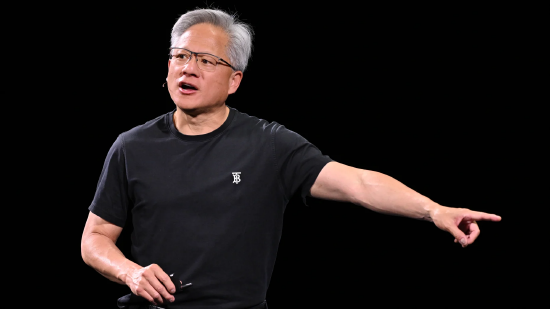
Behind this policy change is NVIDIA CEO Jensen Huang's ongoing opposition to export controls. Since the beginning of the year, Huang has repeatedly emphasized in public that U.S. control measures are harming the competitiveness of its tech firms in the global market.
In a May speech, he openly pointed out that export restrictions had halved NVIDIA's market share in China. This warning not only drew widespread industry attention but also prompted regulatory bodies to re-evaluate the scope and impact of their policy enforcement.
NVIDIA's successful breakthrough is seen as a milestone victory for Jensen Huang's active lobbying strategy, indicating the U.S. government's potential flexibility in its maneuvering with China.
New "Compliant" Chip Aims for Industry Intelligence
In addition to restarting the H20 chip sales, NVIDIA has also launched a new graphics processor that fully complies with regulations—RTX PRO. This chip is specifically designed for AI applications like smart manufacturing and digital logistics twins and is considered an important move for companies to find compliant market space outside the gray area of policy.
The release of RTX PRO shows that NVIDIA is not only employing strategies to maintain its core market share but is also continually investing in driving industrial digital upgrades, supporting the development of global AI infrastructure.
Meeting with Trump Signals Cooperation
Just before this announcement, Jensen Huang held talks with U.S. President Trump. Although the U.S. side has not disclosed additional details of the meeting, sources reveal that the discussion focused on topics such as the national AI strategy, semiconductor industry reshoring, and global technological leadership.
During the meeting, Huang clearly expressed his support for U.S. industrial policy, particularly offering specific recommendations on "job creation" and "enhancing the manufacturing base."
It is worth mentioning that Jensen Huang is currently on a visit to China, and the timing of this visit undoubtedly prompts further speculation. Analysts believe this move may indicate that NVIDIA's strategy to balance between the U.S. and China is achieving substantial results.
Industry Watches Policy Direction and Market Reaction
Chip industry analysts point out that although the U.S. permission signal this time hasn't completely changed the framework of export policies to China, it has shown room for policy adjustments.
Wall Street generally believes that if the U.S. allows companies to seek commercial space outside the "technical safety red line," it will help alleviate the pressure caused by supply chain fragmentation. In the short term, relevant companies' stock prices might be boosted, while the long-term impact will depend on subsequent White House policy directions and the interaction pattern of U.S.-China technological diplomacy.
Amid the growing global AI competition, whether NVIDIA can continue to expand its overseas market without crossing policy lines is becoming a focus of attention in the global semiconductor industry.