
Finally Scheduled After Months of Delays
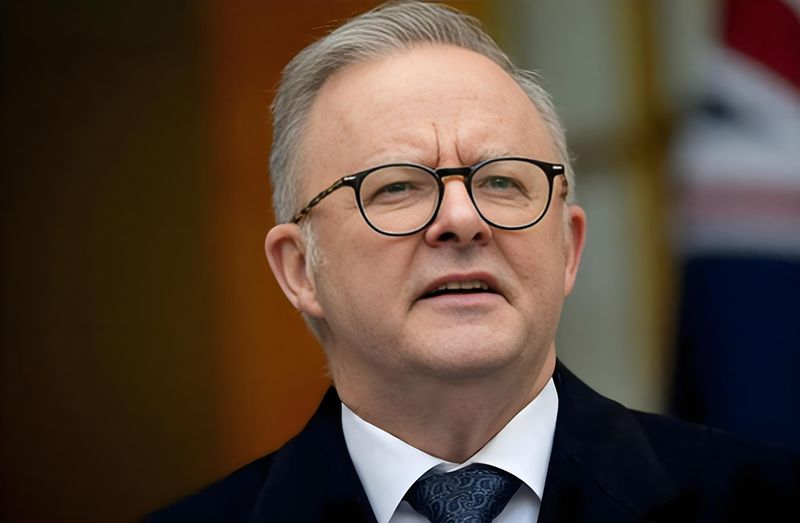
Australian Prime Minister Albanese announced that he will have his first face-to-face meeting with U.S. President Trump on October 20 in Washington. This arrangement breaks the previous postponements caused by international tensions. Sources indicate that this meeting will not only help alleviate doubts about the U.S.-Australia leadership relations but also provide new opportunities for communication on security and economic issues.
Background Pressure and Political Considerations
Since Trump took office, Albanese has consistently been unable to meet him directly, facing criticism both domestically and internationally for appearing passive in U.S. diplomacy. With the meeting time set, Albanese hopes to ease some political pressure and demonstrate his initiative and influence on the diplomatic stage to voters.
Wide-ranging Discussion Anticipated
Observers expect that both sides will engage in in-depth discussions on defense cooperation, the security situation in the Asia-Pacific region, and energy policy. Given Australia's role in the AUKUS security partnership, whether the U.S. continues to expand its technical and defense support will be a focal point of discussion. Additionally, climate policy and the Middle East situation may also appear on the meeting agenda.
Potential Differences Draw Attention
Although Albanese has publicly stated that he has a "good relationship" with Trump, there are obvious differences between the two countries on some issues. For instance, Australia remains committed to climate issues, while the Trump administration has a more conservative attitude towards emission reduction measures; on Middle East diplomacy and the Palestinian issue, there may also be differences in positions. Whether these potential conflicts can be eased during the talks remains to be seen.
Domestic Reaction in Australia
After Albanese announced the meeting date in New York, the general expectation among Australian public opinion is that he will use this meeting to strengthen strategic relations with the U.S. Analysts believe that if Albanese can demonstrate a balanced stance in the talks while promoting outcomes in cooperation, it will help enhance his political reputation at home. Conversely, if he is seen as not effectively safeguarding Australian interests, it could provoke further criticism from opposition parties.
Outlook and Significance
This meeting will be an important milestone in U.S.-Australia relations. It not only marks the formal initiation of direct communication between the two countries' leaders but may also set the tone for future high-level exchanges and strategic cooperation. In the context of the current complex international situation, the Washington visit presents both an opportunity and a test for Albanese.

